Slow Fashion: What conscious fashion really means
The term fast fashion has become widespread and applies to almost every major fashion chain that attracts customers not primarily through quality, but above all through a huge variety of constantly changing collections. The counterpart is – who would have thought it: slow fashion! In this article, we want to explain what slow fashion actually is, how it differs from fast fashion and what goals are associated with it.
by CALIDA
September 27, 2024•3 min reading time
Slow fashion: A key to timeless elegance and more conscious consumption.
Table of Contents
Slow Fashion vs. Fast Fashion
The fashion industry is one of the biggest challenges when it comes to responsible resource use and, in many countries, is also associated with serious human rights violations. Fast fashion is a major factor. As mentioned above, it refers to the rapid production and sale of huge quantities of clothing, much of which never even reaches a shop or is sold. The weekly changing collections of major fashion chains also generate large amounts of waste.
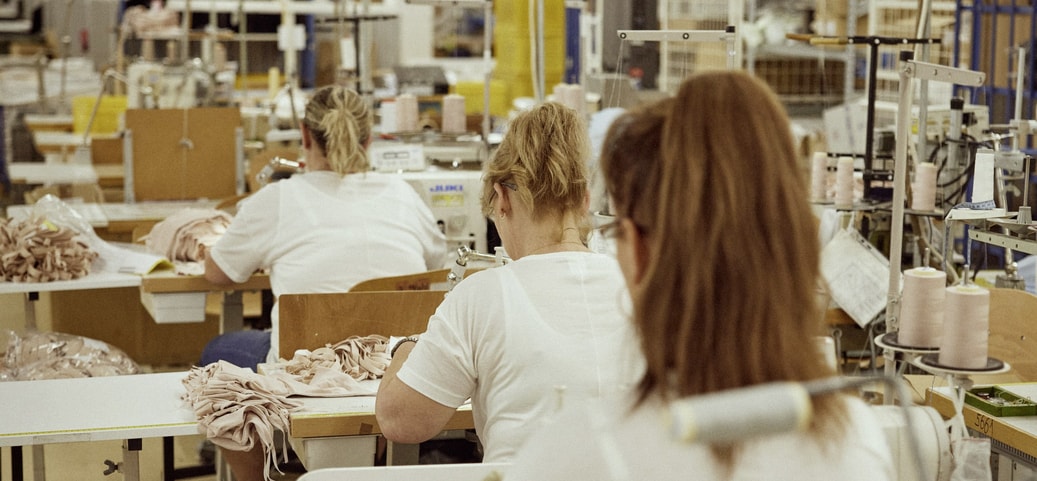
The people involved in production, including seamstresses and industrial workers, can face health problems, low wages and an enormous workload as a result of their working conditions. They may also be exposed to hazardous chemicals or inadequate infrastructure. A particularly alarming example is the Rana Plaza textile factory in Bangladesh, which collapsed in 2013.
Consumers are also affected by the quality associated with inexpensive materials and less elaborate manufacturing processes. Fast-fashion garments may sometimes only be worn for a few months or even weeks before being discarded and replaced. The cycle of low-cost production and short use periods starts again unless it is interrupted by more conscious alternatives such as slow fashion.

The 5 pillars of slow fashion: Definition & goals
We now know that fast fashion can have a significant impact on people and the environment. But how does slow fashion differ from the fast-paced fashion industry? As the name suggests, its main aim is to slow down the value chain. This can allow more time for careful manufacturing and the selection of suitable raw materials; quality can improve, garments can be used for longer and new clothing may not need to be purchased as frequently. A win-win situation!
Selecting raw materials
Raw materials are at the beginning of the value chain. The slow fashion movement also focuses on more conscious cultivation methods at this stage. Cotton and other plants used to produce clothing can be grown under a variety of conditions.
The selection of cultivation areas and production locations can also play a role. For example, transport distances and water requirements can be taken into consideration.
Conscious production
Once the raw materials are available, the process leading to the finished garment really begins; the plants have to be harvested, sorted, spun into fibres and finally woven into fabric. Most of these steps are already carried out by machines and consume a significant amount of energy. Various chemical textile dyes are used during the subsequent dyeing process.
Slow fashion focuses on carefully planned and controlled processes when manufacturing clothing. Factors such as energy and water consumption and the use of certain chemicals can be taken into consideration. Companies can also work with local partner companies and establish their own requirements and controls for production processes.
Controlled trade
In the fast-fashion industry, the focus is on quantity. At any given time, sufficient products from current collections need to be available for every consumer – both online and offline. In the worst case, garments that are not sold during sales may end up as waste.
Slow-fashion brands, on the other hand, often produce a manageable quantity of garments at the beginning of a collection. Once these items have been sold, additional pieces may only be produced on demand, helping to reduce overproduction and the resulting waste.
Slow-fashion brands also tend to focus on a proven selection of basic pieces and a smaller range that is available throughout the year. New, short-lived collections are less frequent and can be adapted to customer needs in order to reduce overproduction.
Social standards
Child labour, extremely low wages and 80-hour working weeks – in the fast-fashion industry, these and other serious social pressures are not uncommon. Slow fashion aims to change this; brands can focus on appropriate working conditions throughout the value chain, monitor working conditions at the businesses involved, ensure compliance with statutory working hours, prohibit child labour and observe other social standards.
Longer use through careful manufacturing
A slower value chain that takes into account the natural growth of raw materials and limits working hours can only work if the constant demand for new clothing also decreases. To move away from the fast-paced cycle of the fast-fashion industry, slow-fashion brands therefore also focus on careful manufacturing of their products. Robust, easy-care and carefully manufactured garments can be worn over a longer period when properly cared for.
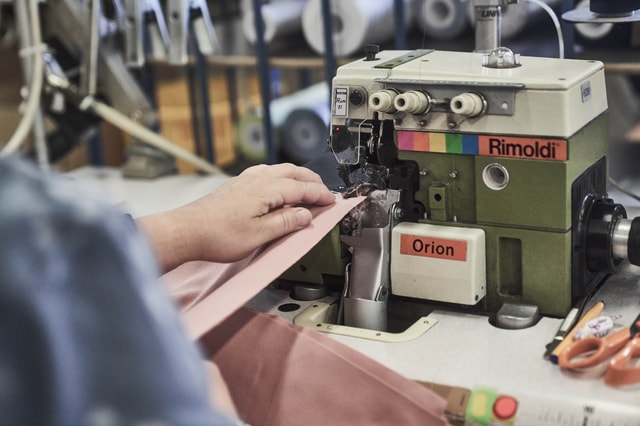
The often higher prices of more elaborately produced fashion can result from factors such as manufacturing processes, selected materials, production locations and other aspects. When considering the potential period of use and the way garments are manufactured, the higher initial price may be spread over the period in which the garment is used.
How can I recognise slow fashion?
Unfortunately, terms such as “slow fashion”, “biological”, “ecological” and “fair” are not protected terms. This makes it difficult to distinguish between slow fashion and greenwashing. Information about social engagement, production conditions and other characteristics can therefore primarily be found in product information and labels used by brands for their collections or individual garments.
When choosing clothing, specific information about materials, production locations, manufacturing processes and applicable standards can provide useful guidance. Recognised labels can also provide additional information about certain product characteristics. It is important to check exactly which criteria a particular label covers and what it actually applies to.
For example, if you are looking for clothing made from specific types of cotton or other materials, it is worth checking the relevant material information and product details. When it comes to working conditions and trading practices, you should also look at the specific information provided by the respective retailer or brand.
Discover more interesting blog posts: