TENCEL™ vs. cotton
The term TENCEL™ – also known as Lyocell – is currently everywhere. But what makes this material so special, and what are the differences compared with cotton? We are sharing everything you need to know about this popular textile fibre.
by CALIDA
November 8, 2021•2 min reading time

Natural elegance or modern innovation? A comparison of TENCEL™ and cotton for conscious consumers.
Table of Contents
TENCEL™
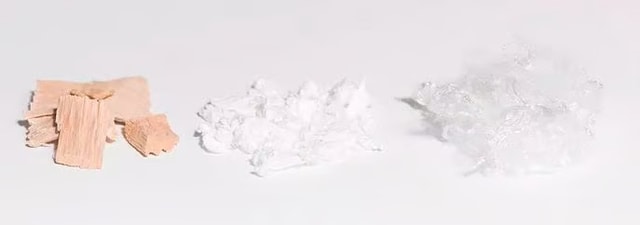
TENCEL™ is a brand name of Lenzing AG for the Lyocell fibre. TENCEL™ fibre is of natural origin but is manufactured industrially. The raw material used for the fibre is wood, most commonly eucalyptus. The fibre is produced using a closed-loop process. The wood comes from selected forestry or plantation sources.
Cotton
Cotton is one of the oldest and most important cultivated plants in human history. Cotton is an important fibre for the textile industry, with a large proportion of textile fibres being made from it. Cotton is grown on cotton plantations.

Differences between cotton and TENCEL™
The differences between the two fibres can generally be divided into the following categories:
Cultivation and raw materials
TENCEL™ fibre is made from wood sourced from selected forestry or plantation sources. Cotton, on the other hand, is grown on agricultural land. Wood and cotton differ in various aspects, including how they are cultivated, their water requirements and how they are processed. According to information provided for TENCEL™ fibre, the water consumption associated with growing the wood can be significantly lower than that of cotton.
Moisture absorption
One of the properties of TENCEL™ fibres is their breathability. Moisture can be transported away from the body and subsequently released into the surrounding air. The smooth surface supports this moisture transport. According to the manufacturer's information, TENCEL™ fibres can absorb around 50% more moisture than cotton. This can contribute to a pleasant feeling against the skin.
Feel
TENCEL™ fabric feels soft and smooth. The fibre has a smooth, almost silk-like surface and can therefore provide a pleasant feeling when worn.
High-quality cotton also has a smooth appearance and a soft, comfortable feel. Supima® cotton, in particular, is known for its particularly fine fibres.
Care and comfort
TENCEL™ fabrics have a smooth surface and can therefore be comparatively resistant to creasing. Depending on the garment and its care instructions, ironing may not be necessary.
Cotton can also have different properties depending on its quality and construction. It is versatile and is used in clothing, bed linen and many other textiles.
Durability
Despite its soft feel, TENCEL™ is a versatile material. With appropriate care, garments can retain their shape and properties over an extended period of time.
Cotton can also be robust and versatile depending on its quality and construction. The actual lifespan of a cotton product depends on factors including the material, construction, use and care.
Discover more interesting blog posts: