Washing linen: how to take care of the popular summer fabric
Linen is one of the popular materials used for all kinds of clothing and textiles. Dresses, shirts and even bed linen are made from this flax-based fabric. Fine linen fabrics and blends are particularly popular in summer due to their cooling properties. But how should you wash and care for linen to help retain its properties for as long as possible? Find out here!
by CALIDA
August 21, 2024•7 min reading time
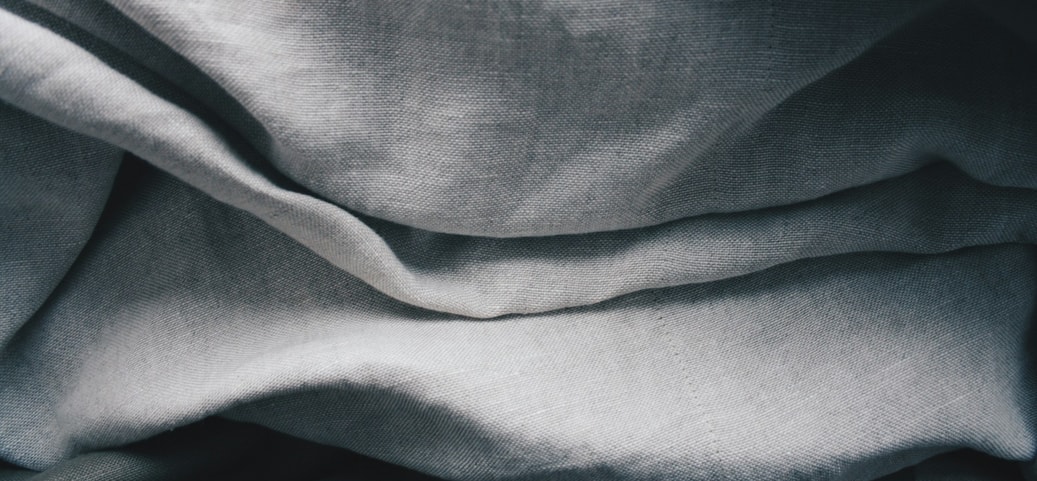
Folded linen fabric in various shades of grey, with a soft and textured surface.
Table of Contents
Easy to care for & versatile: Why linen is so popular
What should you keep in mind when washing linen?
• Washing temperature for linen fabrics & linen blends
• Minimise friction: Spin cycle or hand washing for linen?
• Choosing the right detergent for linen
Can linen go in the tumble dryer? Check the care label!
Ironing linen: How to do it correctly
3 linen care tips: How to keep your garments looking good for longer
• Tip 1: Soak thoroughly before the first wash
Easy to care for & versatile: Why linen is so popular
Linen has been used for textiles for thousands of years and is therefore one of the oldest known textile materials. It is easy to see why this fabric remains popular when you look at its properties. Available in different weights, linen is versatile, robust and relatively easy to care for.
But why is linen often considered a fabric that requires special care? You may have heard that linen can absorb a lot of moisture. But that is not all!
Moisture also plays an important role when caring for linen. Treating the fabric too dry can contribute to it feeling stiffer and rougher. Find out how to avoid this and other common mistakes when cleaning your linen garments.

What should you keep in mind when washing linen?
Many people believe that laundry is mainly damaged by washing at too high a temperature, which can result in shrinking or changes to the fibres. With linen, however, the washing temperature is not the only factor that matters. The choice of washing machine programme and detergent can also affect your linen fabrics. Here are the most important tips for washing linen!
Washing temperature for linen fabrics & linen blends
The temperature at which you can wash linen depends primarily on the weight and composition of the material. It is always best to follow the care instructions on the garment label. This tells you the maximum washing temperature – depending on the product, linen fabrics can often be washed at temperatures of up to 60°C.
If a maximum temperature of 30 or 40°C is specified, you should always follow it. Otherwise, the garment may shrink or change shape.
If the label is no longer available, you should be particularly careful with fine linen fabrics and blends. 30 or 40°C on a gentle cycle is a suitable guideline for many linen fabrics. Depending on the care label, robust, heavier linen tablecloths and pure linen bed linen may also be washed at higher temperatures.
Minimise friction: Spin cycle or hand washing for linen?
As you can see, the appropriate washing temperature for linen depends on several different factors. You should also take the mechanical stress during washing into account.
For delicate linen fabrics, it is best to choose a gentle programme with a maximum of 600 rpm or wash particularly delicate garments using the hand-wash programme, provided this is permitted by the care label.
To reduce additional friction, you should also turn your laundry inside out and avoid filling the washing machine completely. Ideally, wash your linen together with other linen fabrics or delicate textiles such as silk. Avoid washing it together with more robust fabrics such as jeans.
Choosing the right detergent for linen
The choice of detergent also plays a role when caring for linen. Especially with coloured linen, you should avoid heavy-duty detergents with brightening agents or other bleaching agents. Instead, choose a mild colour detergent that is suitable for the colour of the garment.
You can also avoid fabric softener when washing linen. Residues can affect the material’s properties and feel. Instead, follow the manufacturer’s care instructions so that your linen fabrics can retain their properties for as long as possible.
Can linen go in the tumble dryer? Check the care label!
An important aspect of caring for linen is drying. Whether linen can be tumble dried depends on the individual product and its care label. For lightweight, quick-drying linen fabrics, air drying is often a suitable option.
Heat and mechanical movement in a tumble dryer can affect the properties of the material. If the care label recommends air drying, you should hang or lay the fabric out accordingly.
In summer, you can, for example, dry your laundry outdoors. However, with coloured linen fabrics, keep in mind that intense and direct sunlight can affect the colours over time.
Ironing linen: How to do it correctly
Linen is a fabric that tends to crease, so ironing can be used to smooth it out. Alternatively, you can hang individual garments with minor creases in the bathroom while taking a hot shower. Thin linen shirts or dresses may become somewhat smoother due to the increased humidity.
When ironing, it is also helpful to have some moisture in the fabric. You can spray already dry garments with water before ironing. A steam iron can also be useful for ironing linen with the help of steam.
Always follow the temperature recommendations on the care label to treat the material appropriately.
3 linen care tips: How to keep your garments looking good for longer
You now know the most important tips for washing, drying and ironing linen. However, particularly delicate linen fabrics or stubborn stains may require adapted care. Here are three additional tips to keep in mind when caring for linen.
Tip 1: Soak thoroughly before the first wash
To help reduce creasing, you can soak your garments in cold water before the first wash, provided this is suitable for the product. Place them in a basin of water for a few hours so that the material can absorb the moisture. You can then wash the garment according to its care instructions.
For new garments, always follow the information on the care label and avoid pre-treatment if it is not recommended.
Tip 2: Remove stubborn stains gently from linen
Red wine on a white linen dress, grass stains on linen trousers or sweat marks on a light linen shirt – if you want to remove stubborn stains from linen, first check which treatment is suitable according to the care instructions.
Instead of immediately reaching for a strong stain remover, you can first try a mixture of water and a suitable detergent on appropriate textiles. With delicate or coloured linen fabrics, test the treatment on an inconspicuous area first and avoid vigorous rubbing.
The same applies when using gall soap or white vinegar: first check whether the treatment is suitable for the particular material and colour. For stubborn stains, professional textile cleaning may be a suitable alternative.
If stains are still visible after washing, avoid exposing the garment to unnecessarily intense sunlight, as this can affect its colour.
Tip 3: Place delicate linen garments in a laundry bag
There are now many fine and lightweight linen fabrics that are particularly suitable for warm days. To minimise friction for linen shirts, blouses, dresses or skirts, you can wash them in a sufficiently large laundry bag or a thin cotton pillowcase, provided this is suitable according to the care label.
This can help reduce mechanical stress during washing and contribute to your linen garments retaining their shape and properties for as long as possible.