Postpartum Sweating: Causes, Duration and What Really Helps
You wake in the night to feed your baby and notice that your T-shirt and sheet are completely soaked. Moments later you are shivering, even though you were hot just a minute ago. This is the reality for many women in the first weeks after giving birth. Here we explain why postpartum sweating is so common, how long it typically lasts and what can make this time more comfortable for you.
by CALIDA
November 11, 2026•5 min reading time
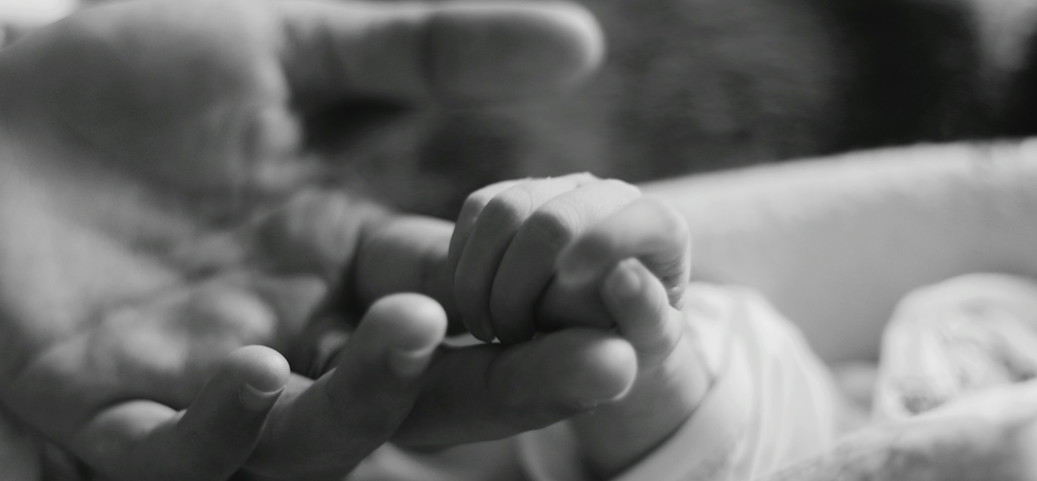
Hormonal changes after childbirth can contribute to sweating during the postpartum period.
Table of Contents
Why Do I Sweat So Much After Giving Birth?
• Hormonal Changes After Birth
• Your Body Releases Excess Fluid
• Breastfeeding Can Encourage Night Sweats
Is Night Sweating After Birth Normal?
How Long Does Postpartum Sweating Last?
What Helps Against Night Sweats After Childbirth? 5 Tips
• Tip 2: Keep Your Bedroom Cool and Prepare Your Bed
• Tip 3: Take a Lukewarm Shower and Care for Your Skin Gently
• Tip 5: Allow Yourself to Rest and Recover
Which Nightwear Suits Postpartum Sweating?
Key points
Hormonal changes after birth and the release of excess fluid retained during pregnancy are the most common causes of night sweats in the postpartum period.
Sweating is usually strongest in the first few days. For many women it eases after about two to six weeks, though it can last a little longer if you are breastfeeding.
Drinking enough, a cool bedroom and breathable nightwear make your nights more comfortable. If you have a fever or the symptoms persist, it is best to speak to your midwife or doctor.
Why Do I Sweat So Much After Giving Birth?
For nine months, your body has performed at its very best during pregnancy. After the birth, it readjusts within a short space of time, and you often feel it clearly. Three main causes lie behind heavy postpartum sweating.
Hormonal Changes After Birth
Once the placenta is delivered, the levels of the pregnancy hormones oestrogen and progesterone fall sharply. This hormonal shift also affects your body's temperature regulation, so your body responds to warmth with sweat more quickly.
Your Body Releases Excess Fluid
During pregnancy, your body stores considerably more fluid than usual, partly in the form of water retention in the legs and feet. After the birth, this surplus is released again: through the kidneys and, of course, through the skin. Many women therefore notice that they need the loo remarkably often in the first few days while also sweating heavily.
Breastfeeding Can Encourage Night Sweats
Breastfeeding plays a part too. The milk-producing hormone prolactin keeps oestrogen levels low, which is why postpartum night sweats often last a little longer in women who breastfeed. The closeness of your baby while feeding adds extra warmth as well.
Is Night Sweating After Birth Normal?
The reassuring answer is: yes. Night sweats after childbirth are normal in most cases and a sign that your body is adjusting. They are particularly noticeable at night because heat builds up under the duvet.
It is also typical for hot and cold spells to alternate. If you feel shivery and sweaty after giving birth, it is usually down to damp clothing: as the sweat evaporates from your skin, your body cools down and you begin to feel chilly. Having dry clothes to change into often brings relief straight away.
How Long Does Postpartum Sweating Last?
The duration varies from woman to woman. Postpartum sweating is usually most intense in the first week after the birth, and then eases noticeably for many women. In general, the symptoms subside after about two to six weeks.
If you are breastfeeding, you may still sweat occasionally at night beyond that. For some women, things only settle completely once they have stopped breastfeeding and their hormones have found their balance again.
What Helps Against Night Sweats After Childbirth? 5 Tips
Postpartum sweating cannot be prevented entirely. With these tips, however, you can make your nights considerably more comfortable.
Tip 1: Drink Enough
If you sweat a lot, you lose a lot of fluid. Make sure you drink enough throughout the day, ideally water or unsweetened herbal tea. When breastfeeding in particular, it is worth keeping a glass of water within easy reach.
Tip 2: Keep Your Bedroom Cool and Prepare Your Bed
A room temperature of around 16 to 18 °C and regular airing create a pleasant sleep climate. Place a towel over your sheet and keep a change of nightwear by the bed. That way you can change quickly without staying awake for long in the night.
Tip 3: Take a Lukewarm Shower and Care for Your Skin Gently
A lukewarm shower in the evening refreshes you without stimulating your circulation too much. Choose mild, fragrance-free care products that are kind to your skin. Your baby will also usually feel most settled with your familiar scent.
Tip 4: Avoid Heat Triggers
Spicy food, heavy evening meals and hot drinks shortly before bed can make the sweating worse. Opt for light meals and lukewarm drinks instead, so your body can come to rest.
Tip 5: Allow Yourself to Rest and Recover
The postpartum period is a time of recovery. Give yourself time to rest, sleep when your baby sleeps, and accept help from your partner, family or friends. The more rested you are, the easier it is to cope with restless nights.
Which Nightwear Suits Postpartum Sweating?
The right nightwear makes a noticeable difference at this time. Choose breathable, moisture-wicking materials such as TENCEL™ or high-quality cotton, which draw sweat away from your skin and feel pleasantly dry. Synthetic fabrics such as polyester, on the other hand, trap heat and moisture.
The cut matters too: loose-fitting pyjamas and nightdresses let the air circulate, and a button front or a wide neckline makes breastfeeding easier. It is also a good idea to have several sets ready, so you always have a fresh one to hand.
For a cooler night's sleep, the DEEPSLEEPWEAR collection from CALIDA is a good choice. It was developed specifically for restful sleep and, with its soft, breathable materials that nestle gently against your skin, helps you drift off even on warm nights.
Nightdresses with a button front are especially practical for night-time feeds, as they open with a single movement and are quick to change.
When Should You Seek Medical Advice?
Even though night sweats in the postpartum period are usually harmless, you should take certain warning signs seriously. Contact your midwife or gynaecologist if any of the following symptoms occur:
Fever of 38 °C or above, or shivering fits
Foul-smelling lochia (postpartum discharge) or pain in the lower abdomen
Red, painful areas on the breast
Feeling very unwell or a racing heart
Sweating that continues well beyond the first few weeks or becomes heavier
These symptoms should be checked so that other causes can be ruled out. So it is always better to ask once too often. Your midwife is there for exactly these questions during the postpartum period.
Conclusion
Postpartum sweating is a common side effect of the hormonal changes and the release of fluid after birth. The night sweats are usually strongest in the first week and subside after a few weeks. If you are breastfeeding, it may take a little longer.
With enough fluids, a cool bedroom and breathable nightwear to change into, your nights will become noticeably more comfortable. Cooling nightwear from CALIDA accompanies you through this special time with soft materials that are gentle on your skin.
If you have a fever or the symptoms persist, speak to your midwife or doctor. And above all: as a new mother, be kind to yourself, because your body has achieved something remarkable and deserves time to recover in peace.
Discover more interesting blog posts: