Why do we sweat more as we get older? Causes & what helps
Sudden hot flushes, clammy hands or sweating without any clear trigger — many people sweat more as you get older, yet the topic is rarely discussed. The reassuring news: increased sweating in later life is usually not caused by a serious condition, but by a body that is simply changing. Understanding why these changes occur can make a big difference. Hormonal fluctuations, a slower metabolism and a more sensitive thermoregulation system all play a role. In this guide, you’ll learn what can cause excessive sweating as you age and what you can do to feel more comfortable again.
by CALIDA
May 13, 2026•5 min reading time
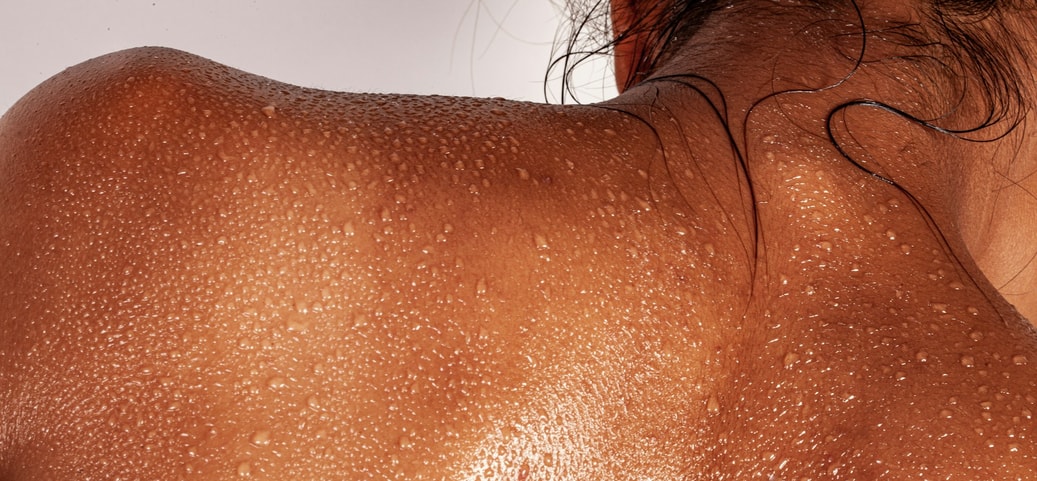
Sweating with age often results from changes in thermoregulation and hormones and can noticeably disrupt sleep.
Table of Contents
Why do people sweat more as they get older?
• Hormonal changes as the most common trigger in women
• Sweating more in older age in men: What can cause it
Night sweats in older age: Why it often gets worse at night
• Room climate & nightwear: Your sleep environment makes a big difference
Which materials help with sweating as you get older?
The key points
As you age, your body’s thermoregulation changes — which can mean you sweat more as you get older than you used to.
Hormonal changes during menopause are the most common trigger for hot flushes in women, but hormones can also play a role in men.
Night sweats can significantly affect sleep quality. Pyjamas made from natural fibres such as TENCEL™ and cotton can noticeably improve nighttime comfort.
Why do people sweat more as they get older?
The human body regulates its temperature through the sweat glands — a vital process that normally activates during exercise or in high temperatures. As you age, this system changes, which is why many people sweat more as you get older.
Thermoregulation becomes more sensitive to internal and external triggers, the nervous system responds more slowly, and the skin stores heat differently than it did at a younger age.
On top of that, hormone levels shift and become unbalanced, meaning the body needs more time to react to temperature changes. All these factors can cause more frequent and more intense sweating episodes — both during the day and at night.
Hormonal changes as the most common trigger in women
For many women, it is menopause that significantly intensifies sweating with age. As oestrogen levels drop, the hormonal balance becomes disrupted, which directly affects the hypothalamus — the part of the brain responsible for regulating body temperature.
The result: the body reacts to even the smallest temperature changes with an exaggerated heat response. Hot flushes and sudden sweating episodes often occur without any obvious trigger. Many women report that these symptoms are especially intense at night, severely disturbing their sleep rhythm — one of the key reasons why so many women sweat more as you get older.
Sweating more in older age in men: What can cause it
Men also frequently report increased sweating as they get older. In many cases, hormonal changes can be the reason: although testosterone levels decline more slowly and steadily than oestrogen in women, this gradual drop can still disrupt the body’s heat regulation — one of the key reasons why many men sweat more as you get older.
More intense sweating, overheating and a changed perception of temperature can therefore indicate falling testosterone levels. However, metabolic disorders, certain medications, increased alcohol consumption and other unhealthy habits should also be considered and ruled out as potential causes.
Night sweats in older age: Why it often gets worse at night
Many people notice that they sweat far more at night than during the day. This has physiological reasons: thermoregulation changes while the body moves through different sleep stages, and core body temperature naturally drops in the early morning hours — a process that can become disrupted when hormones fluctuate. This is one of the reasons why so many people sweat more as you get older.
For women going through menopause, hormonal fluctuations are often even stronger at night. The result: sudden hot flushes, intense sweating and sleep repeatedly interrupted by damp sheets. These constant wake‑ups and the need to change bedding often lead to morning fatigue and reduced concentration.
Room climate & nightwear: Your sleep environment makes a big difference
Beyond physical causes, your sleep environment plays a crucial role in nighttime sweating. A bedroom temperature of 16–18°C is considered ideal for restorative sleep. Regular ventilation ensures fresh air and sufficient oxygen in the room.
Equally important is choosing bedding and nightwear that match the season: Breathable natural fibres help transport moisture away from the skin and support the body’s natural climate regulation. Being aware of these factors can significantly improve sleep quality — even if sweating becomes more intense with age.
Which materials help with sweating as you get older?
If you sweat more as you get older, choosing the right materials becomes increasingly important — especially at night. High‑quality natural fibres are the best choice, as synthetic fabrics trap heat and moisture, while natural materials regulate temperature, absorb moisture and release it again.
With the right textiles, you can finally enjoy dry, comfortable days and nights. The most recommended fibres include:
TENCEL™ (Lyocell) — a fibre made from wood pulp with excellent moisture‑management, exceptional softness and a naturally smooth feel on the skin.
Cotton — a timeless classic with good breathability. High‑quality cotton feels soft, is durable and works especially well in milder nights.
Wool–silk blends — a luxurious combination offering perfect temperature regulation: cooling in summer, warming in winter.
All three materials can have a naturally cooling effect, depending on how they are processed, and they drape lightly across the body. They also support healthy skin breathability, which is essential for restful, comfortable sleep.
When choosing nightwear, look for loose cuts without tight cuffs or irritating seams — small details that make a big difference when sweating increases with age.
5 additional tips to reduce sweating in older age
Alongside the right sleep environment and breathable nightwear, there are several lifestyle habits that can help you manage sweating more effectively — especially if you sweat more as you get older:
Light evening meals — Heavy, spicy or strongly seasoned dishes can temporarily raise body temperature. A lighter dinner helps keep heat reactions under control.
Reduce alcohol and caffeine — Both substances can stimulate sweat production and negatively affect sleep.
Regular physical activity — Moderate exercise improves thermoregulation over time and helps the body handle heat more efficiently.
Evening relaxation rituals — Breathing exercises or a calm evening routine help soothe the nervous system and prevent overheating during the night.
Stay well‑hydrated — Drinking enough water throughout the day supports the body in regulating moisture and sweat.
Conclusion
Increased sweating in older age is very common and can have a wide range of causes — most notably hormonal changes during menopause. Alongside a healthy lifestyle that includes movement, a balanced diet and good stress management, a cool sleep environment and the right nightwear can make a noticeable difference, especially if you sweat more as you get older.
Cooling pyjamas made from breathable natural fibres such as TENCEL™ or high‑quality cotton help the body regulate moisture and improve sleep quality despite increased sweating. With the right materials and a mindful sleep setup, you can enjoy restorative, comfortable nights even in this phase of life.