Winter blues? How to get through the darker seasons
When the number of hours of sunshine decreases in autumn, the body is deprived of natural light. This lack of light often shows itself in physical and mental sluggishness – the classic winter blues. But what exactly are the winter blues, how do they differ from seasonal depression, and what can you do to counteract tiredness and exhaustion during the darker months?
by CALIDA
January 14, 2026•4 min reading time
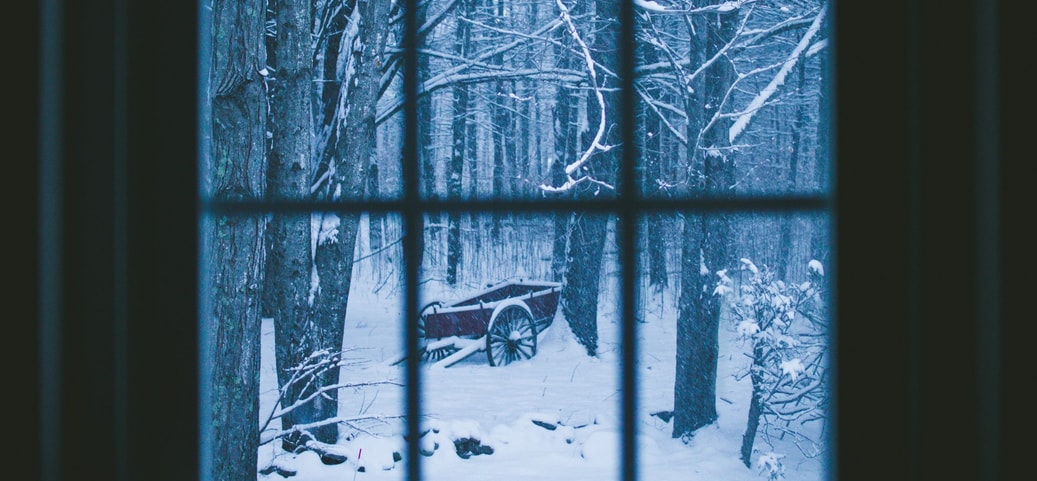
Find gentle ways to ease the winter blues and rediscover warmth, calm and small daily bright spots.
Table of Contents
How to recognise the winter blues: typical symptoms and causes
• How the winter blues differ from seasonal depression
5 tips to beat the winter blues: how autumn and winter can become your friends
• Tip 1: Get as much daylight as possible
• Tip 2: Daylight lamps and light therapy
• Tip 3: Slow down and follow the natural daily rhythm
• Tip 4: Exercise boosts your mood
The key points
The winter blues are a seasonal dip in mood, often accompanied by low energy, low spirits and mood swings.
Unlike seasonal depression, the symptoms usually improve in brighter weather and can often be managed with simple lifestyle changes.
Plenty of daylight, regular outdoor exercise and social interaction are among the most effective ways to beat the winter blues.
How to recognise the winter blues: typical symptoms and causes
The winter blues describe a low mood that occurs exclusively in autumn and winter. Due to the lack of daylight, the body produces more of the sleep hormone melatonin, while levels of serotonin – often referred to as the “feel-good hormone” – decrease.
This imbalance between too much melatonin and too little serotonin doesn’t just lead to tiredness and an increased need for sleep, but is often accompanied by the following symptoms:
Low energy and fatigue
Little motivation to leave the house or make plans
Mood swings, often depending on the time of day and the weather
Poor eating habits and cravings for sugary foods
In addition, between October and March our bodies produce very little vitamin D, as sunlight is not strong enough in many regions. Vitamin D deficiency can negatively affect mental wellbeing and may even contribute to depression in winter. For this reason, it should be checked by a healthcare professional and, if necessary, treated with supplements.
How the winter blues differ from seasonal depression
The winter blues and seasonal affective disorder (SAD) are often confused, but there are clear differences. While the winter blues usually ease quickly in good weather and can often be managed with simple home remedies and new routines, seasonal depression shows different characteristics:
Returns every year and lasts for more than two consecutive weeks
More severe symptoms, including persistent low mood and loss of joy
Requires medical support and professional treatment
If you are unsure whether you are experiencing the winter blues or a form of seasonal depression that needs treatment, it’s important to speak to your GP or healthcare provider. They can check for possible deficiencies and refer you for further support if needed.
5 tips to beat the winter blues: how autumn and winter can become your friends
The good news about the winter blues: there’s a lot you can do yourself to improve your mood and your wellbeing. Here are our five most effective tips to help you get through the darker months feeling brighter and more balanced.
Tip 1: Get as much daylight as possible
When the sky is grey and the streets are wet, most of us feel like staying indoors. And yet, when it comes to the winter blues, the rule is simple: get outside – whatever the weather. You absorb far more light outdoors than you ever do inside. Ideally, aim to spend at least one hour a day outside. Even a short walk during your lunch break can already make a noticeable difference.
Tip: If you work indoors most of the day, choose bright rooms with plenty of natural light and place your desk right by a window.
Tip 2: Daylight lamps and light therapy
Pouring rain, no time for a walk – or simply wanting to do more for your mental health in winter? This is where light therapy lamps can help. These lamps emit around 10,000 lux, mimicking natural daylight. For a real energy boost in the morning, simply sit in front of the lamp for about 30 minutes.
Important: Although daylight lamps are freely available, you should consult your GP first if you have eye or skin conditions, to check whether light therapy is suitable for you.
Tip 3: Slow down and follow the natural daily rhythm
Many indigenous cultures still live according to the natural rhythm of day and night – rising with the sun and resting once it sets. In our modern lives, fixed working hours and obligations often prevent this, which can lead to stress and tension.
Even so, winter is the perfect time to accept that your body needs more rest and sleep. Treat yourself to mindful moments of relaxation: a cup of tea on the sofa, a warm bath in the evening, or cosy hours in your comfortable CALIDA loungewear made from high-quality natural materials. These small rituals can create genuine feelings of comfort and happiness, even during the darkest season.
Tip 4: Exercise boosts your mood
Physical activity is one of the most effective remedies for both the winter blues and seasonal low moods. When you exercise, your body releases serotonin, dopamine and noradrenaline – feel-good hormones that instantly lift your mood. A brisk walk in nature or a short jog with energising music is often all it takes. As a bonus, you’ll also be getting valuable daylight.
Tip 5: Get through the grey months together
When we don’t feel well, we often withdraw – yet connection is exactly what helps most. Spending time with friends and family has a powerful positive effect on our wellbeing. Make a conscious effort to meet up, even if it feels difficult at first.
Shared experiences such as a games night, a visit to the Christmas market or a cosy fondue evening create positive memories and distract from the cold and melancholy of winter. Open conversations also allow you to let go of negative thoughts and recharge your energy – together.
Conclusion
The winter blues are a seasonal dip in mood that can be triggered by a lack of daylight and vitamin D, hormonal changes and too little physical activity. The good news: with a healthy balance of social contact, fresh air, movement and mindful moments of rest and relaxation, you can get through the darker months feeling well and resilient.
Wrapped in warm nightwear and soft CALIDA loungewear made from high-quality natural fibres, you can fully relax and recharge your energy for the cold winter season. And always remember: with the first rays of spring sunshine, the symptoms usually fade away on their own.
Discover more interesting blog posts: