Washing Viscose: How to Care for This Delicate Material Correctly
Viscose feels wonderfully soft and light against the skin, but reacts more sensitively when washed than many other fabrics. We'll show you, step by step, how to wash and care for viscose correctly, and which mistakes to avoid so the material stays beautiful for a long time.
by CALIDA
October 28, 2026•3 min reading time
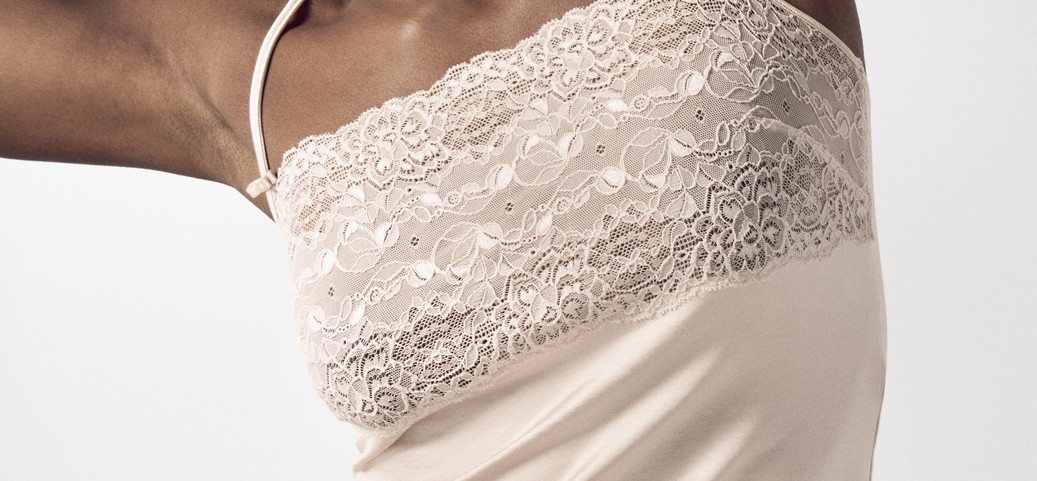
Clean gently and protect the fibres: tips for washing viscose.
Table of Contents
What makes viscose special, and so delicate
Washing viscose correctly: step by step
• Step 1: Check the care label first
• Step 2: Choose the right temperature
• Step 3: Gentle cycle and light spinning
The right detergent for viscose
• Can viscose be washed with fabric softener?
Key points
Wash viscose at a maximum of 30°C on a gentle cycle with a delicate detergent. Higher temperatures are only an option if the care label explicitly allows it.
Viscose can shrink. High wash temperatures, strong spinning and tumble drying are the most common causes.
Viscose is best dried in the air, and, if needed, ironed inside out while slightly damp to remove creases more easily.
What makes viscose special, and so delicate
Due to its elaborate chemical processing, viscose isn't a classic plant fibre, but it's still made from cellulose, the main component of plant cell walls. Viscose is usually made using wood from beech, eucalyptus or bamboo.
Various chemical agents turn the wood into a spinnable mass, giving viscose its typical softness, flowing drape and smoothness, which feels very pleasant against the skin. The chemical substances themselves don't remain in the finished material.
The downside of viscose is that, when wet, the fibre is significantly less resilient. The fabric absorbs a lot of moisture, swells up, and loses tear strength as a result. At high temperatures or with strong spinning, its structure can therefore change fairly easily.
Washing viscose correctly: step by step
Viscose is a fairly delicate material and needs to be handled gently. Taking this into account when washing means you can preserve its lovely, breathable feel for many years.
Step 1: Check the care label first
The most important step comes before washing. A glance at the care label reveals the highest possible wash temperature, and whether your garment can be machine washed on a delicate setting or only by hand. You can also find out whether, and at what setting, the viscose should be ironed.
Step 2: Choose the right temperature
The right wash temperature is crucial for viscose. A low temperature of 30°C is the safe recommendation, since cool water is gentlest on the fibres. Whether viscose can also be washed at 40°C or higher varies from garment to garment. Only choose this temperature if the care label explicitly allows it, to help avoid shrinkage.
Step 3: Gentle cycle and light spinning
Always choose the gentle cycle or a dedicated delicates programme for viscose. Since these programmes involve less movement, they're especially fibre-friendly. The same applies to spinning: less is more. A low spin speed prevents unnecessary fibre stretching and keeps the fabric in shape.
The right detergent for viscose
To clean viscose, you don't need a special viscose detergent; a mild delicate detergent is your best bet. Detergents containing harsh enzymes or bleach can weaken the fibre structure, so a mild, enzyme-free delicate detergent is the safest choice. This way, you clean viscose reliably while preserving the material's natural softness and smoothness.
Can viscose be washed with fabric softener?
Caution is advised with fabric softener too, as it can settle on the fibres and affect the flowing character and breathability of the textile. The good news: viscose is already smooth and supple, so it usually doesn't need fabric softener at all.
Drying and ironing viscose correctly: here's how
As already mentioned, it's best to keep viscose out of the tumble dryer, since the combination of heat and movement puts a lot of strain on the material. Opt for air-drying instead. For particularly delicate pieces, you can lay them flat on a towel and gently pull them into shape.
And what about ironing? This is generally fine, but should also be done gently. Iron viscose inside out, on a low setting, and ideally while slightly damp, so the surface looks smooth and well cared for. If ironing isn't permitted according to the care label, you can also steam your garment at a low temperature from the inside out.
Treating your textiles with this level of care means you'll enjoy your soft favourite pieces for a long time, whether underwear or loungewear.
Conclusion
Viscose is a wonderfully soft material of natural origin that stays beautiful for a long time with the right care. Wash viscose garments at 30°C on a gentle cycle, use a mild delicate detergent, and avoid fabric softener, bleach and the tumble dryer. This way, your favourite viscose pieces will stay with you for many years to come.
Discover more interesting blog posts: