From easy-care to hot wash: get familiar with every washing machine program on your machine
Whether it is a delicate blouse, a sturdy bed sheet or a cosy wool jumper: Every garment has its own needs and properties that should also be taken into account when washing – a good reason to take a closer look at the programmes on your washing machine. Knowing how to set your washing machine correctly can help protect materials and colours while using energy and water more consciously. We show you how to use the different programmes effectively so that your laundry can retain its properties and shape for as long as possible.
by CALIDA
September 24, 2025•4 min reading time
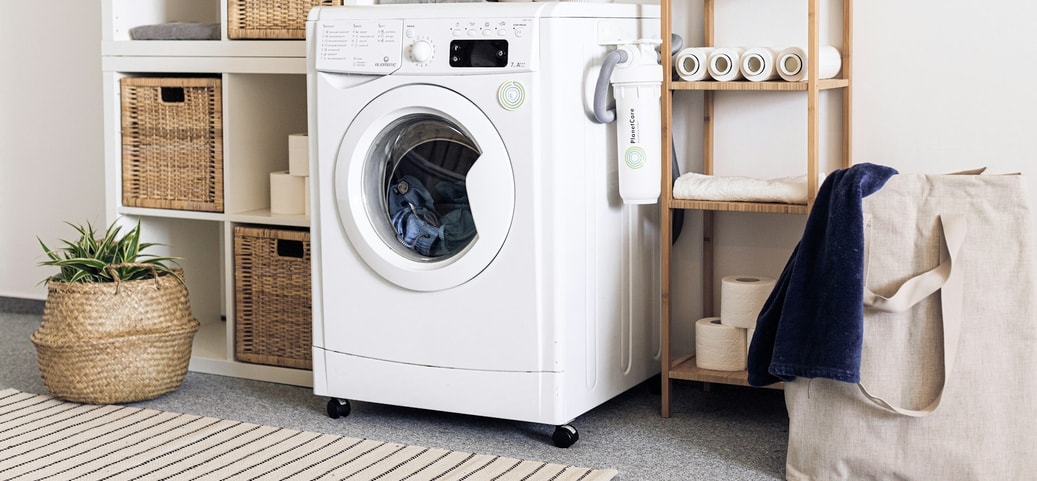
Washing machine programme: Find the right setting for your laundry.
Table of Contents
How to use your washing machine correctly: The most important programmes
• Colours / Normal: The standard washing machine programme
• Easy-care programme for easy-care laundry
• Delicates for wool, silk & co.
• Sports programme for quick cleaning
• Whites programme for sturdy, heavily soiled laundry
Other special programmes on modern washing machines
Adjusting an individual washing machine programme to your needs
The key points
Each washing machine programme is designed for different needs based on its temperature, spin speed, washing time and amount of water used.
While delicate fabrics should generally be washed at cooler temperatures and lower spin speeds, towels and similar textiles can also be washed at higher temperatures depending on the care label.
Modern machines offer many special programmes that are designed to use water, time and electricity in different ways or support the cleaning of specific textiles.
How to use your washing machine correctly: The most important programmes
You may know the situation: You stand in front of the machine, turn the programme dial and end up choosing “Cottons” again because it seems to work for almost everything. But as you can probably imagine, every programme has its purpose – we show you which one is suitable for what.
Colours / Normal: The standard washing machine programme
The Colours programme is an all-rounder for mixed laundry made from cotton, linen and many synthetic fabrics. You can select washing temperatures between 30 and 60°C, depending on how soiled the laundry is and what the care label specifies. This cycle is suitable, for example, for towels and bed linen as well as sturdy everyday clothing.
Tip: Using colour detergent and a temperature of 40°C can help colours retain their appearance for as long as possible while removing light soiling.
Easy-care programme for easy-care laundry
This programme is gentler than the standard programme and is suitable for textiles labelled as easy-care. More water, lower spin speeds and a generally shorter washing cycle make this programme suitable for garments that tend to pill, including blouses, shirts, jeans or coats made from synthetic fibres. On many machines, you can select the temperature yourself.
Delicates for wool, silk & co.
Your favourite wool scarf, new silk dress or high-quality wool-silk underwear from CALIDA: Depending on the care label, these delicate textiles can be washed using the delicates or hand-wash programme. The washing machine moves the drum particularly gently and uses cold or lukewarm water up to a maximum of 30°C, provided this is specified on the care label. Use a suitable detergent for delicates and avoid fabric softener if this is in line with the care instructions.
Sports programme for quick cleaning
Functional shirts, leggings and other sportswear made from breathable fabrics such as microfibre, TENCEL™ or polyester can benefit from short, cool wash cycles. Depending on the appliance, the sports programme is designed for washing sportswear at temperatures between 30 and 40°C.
Whites programme for sturdy, heavily soiled laundry
Bed linen, tea towels, socks or soiled baby clothes made from cotton can be washed in the whites programme at temperatures of up to 95°C, provided the care label allows it. This long and hot cycle is not suitable for delicate clothing, as it can cause shrinkage, fading or changes in shape.
Eco programme saves energy
The Eco programme is suitable when your laundry is only lightly soiled. Depending on the appliance, it uses less water and lower temperatures. To compensate, it often runs for longer. Depending on the washing machine and programme selected, this can reduce energy and water consumption.
Other special programmes on modern washing machines
In addition to the programmes mentioned above, many modern machines offer other options such as pre-wash for heavily soiled workwear or outdoor for weather-resistant clothing. Some machines automatically adjust the amount of water, washing time and rinse cycles. There are also special programmes for:
white laundry
black laundry
reduced-crease washing (e.g. for curtains)
synthetic clothing
down jackets and pillows
jeans
stain treatment
allergy-sensitive laundry
As many washing machine manufacturers have developed their own programmes, it is worth taking a closer look at the instruction manual for your appliance. In some cases, you can even create your own washing programme and adapt the washing process more specifically to your needs and laundry.
Adjusting an individual washing machine programme to your needs
If you want to set your washing machine yourself, take a look at the care label on your laundry. It tells you whether the garment can be machine washed and which washing temperatures are permitted. If the label is missing, you can use these general guidelines:
30°C for delicate fabrics or lightly soiled laundry
40°C for everyday laundry made from different blended fabrics
60°C for normally soiled towels, bed linen and underwear or more heavily soiled clothing, provided the care label allows it
95°C only for sturdy cotton with heavy soiling and an appropriate care instruction
In addition to the correct temperature, you can also adjust the spin cycle of your washing machine. Lower spin speeds (600 to 800 rpm) can be suitable for delicate fabrics, while higher spin speeds (1,200 to 1,600 rpm) can shorten drying time. However, higher speeds should only be used for textiles that are suitable for them. Otherwise, 800 to 1,000 rpm is a common range.
Whether you can select additional options such as Hygiene or Eco and which washing duration you should choose also depends, among other things, on the age of your washing machine. While modern appliances often offer many different settings, older machines generally have fewer functions.
Conclusion
Knowing your washing machine can help you choose the right programme for the specific materials in your laundry. The appropriate cycle can help care for fabrics and colours while using energy and water in a targeted way – whether you are washing colours, delicates or sturdy cotton.
And if you are wondering what to put in the drum next: Depending on the care instructions, CALIDA basics made from TENCEL™ or wool-silk can be cared for using suitable washing programmes, helping them retain their properties and shape for as long as possible.
Discover more interesting blog posts: