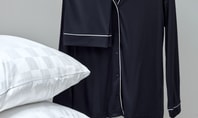
Textile Materials: The Big Material Guide for Nightwear and Underwear
Cotton, TENCEL™, silk, or perhaps wool? Anyone wanting to keep track when buying nightwear and underwear should know the most important textile materials and their properties. In our comprehensive guide, you'll find out which fibre is the right choice, and when.
by CALIDA
October 14, 2026•6 min reading time
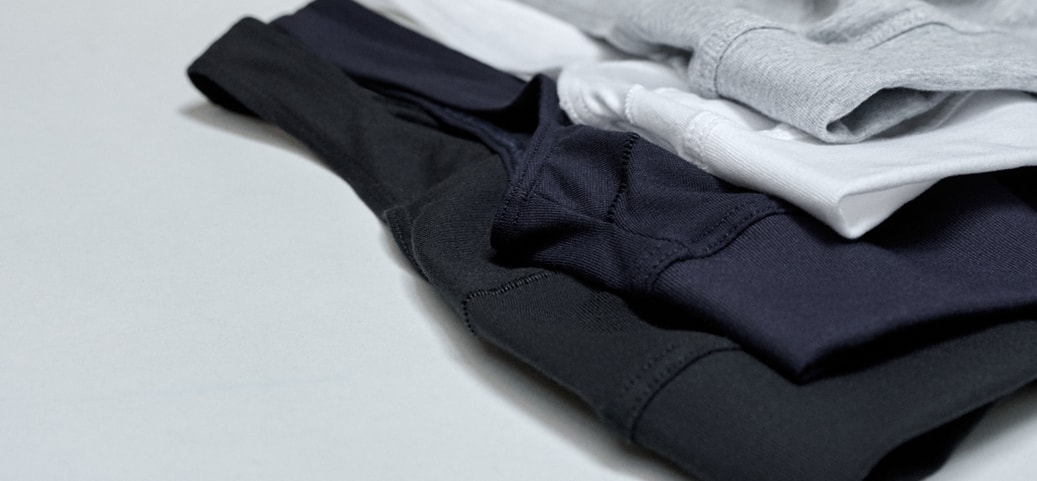
Understand materials better and make informed choices with our comprehensive Material Guide.
Table of Contents
Why the right material makes all the difference
Fibres from different sources: tried and tested, and comfortable to wear
• Cotton: the versatile all-rounder
• Wool: the natural source of warmth
• Silk: refined luxury with a cooling effect
Cellulose fibres: natural origin, modern technology
• TENCEL™ Lyocell: moisture management at the highest level
• TENCEL™ Modal: silky-soft and shape-retaining
• Viscose: flowing and pleasantly lightweight
• SeaCell™: the fibre from algae and wood
Synthetic fibres: function and fit
• Elastane: provides stretch and shape retention
• Polyamide: hard-wearing and quick-drying
Which material suits which needs?
Material care: how to keep your textiles looking beautiful for longer
Overview of the most important materials and their purposes
• The best materials for pyjamas
• Gentle textiles for sensitive & irritated skin
• Cooling fabrics for warm nights
Key points
Fibres such as cotton, wool and silk often considered the gold standard. Cellulose fibres like TENCEL™, modal and viscose combine these properties with high-quality processing and modern moisture management.
TENCEL™, lyocell, silk and lightweight cotton have a particularly cooling effect, as these materials wick away moisture well. Thicker cotton fabrics and wool are warming yet still breathable.
For sensitive skin, soft, breathable and smooth materials such as silk or modal are best suited. Seamless construction reduces friction.
Why the right material makes all the difference
Whether a garment feels comfortable depends not only on the cut, but also, crucially, on the material. It's the processed fibres that ultimately determine the wearing feel.
Especially with nightwear and underwear, worn directly against the skin, the fabric matters all the more. A fine structure provides particular softness and comfort, while breathable properties can have a positive effect on the body's climate, and therefore on sleep too.
So the right material influences not just the feel, but also how well moisture is wicked away and heat transported outwards – day after day and night after night.
Fibres from different sources: tried and tested, and comfortable to wear
These fibres are obtained from purely plant-based or animal raw materials and have been used to make clothing since time immemorial. They impress above all with their breathability, pleasant wearing feel and, often, easy-care properties.
Cotton: the versatile all-rounder
Cotton is probably the best-known and most popular fibre for nightwear and underwear, as it's breathable, soft and, above all, particularly easy to care for. It withstands frequent washing at high temperatures better than most other materials.
High-quality cotton also absorbs moisture well, which keeps skin feeling dry even on warm nights. Thanks to its pleasant feel, cotton is excellent for everyday use – as underwear, but also in exclusive loungewear or long-lasting pyjamas and vests.
Wool: the natural source of warmth
If you're wondering which material provides the most warmth, wool is hard to beat. The fibre insulates excellently and retains body heat even during light nighttime sweating, without trapping moisture, instead wicking it outwards to maintain a pleasant sleep climate.
Thanks to these properties, wool is the perfect choice not just in the depths of winter, but during transitional seasons too. Finely spun wool such as merino feels pleasantly soft and doesn't scratch the skin. Combined with silk in particular, it creates an elegant material mix that warms without overheating.
Silk: refined luxury with a cooling effect
Thanks to its unmatched smoothness and delicacy, silk is considered one of the most luxurious fibres of all. While it gives any garment a luxurious look, it also feels pleasantly cool and gentle against the skin. This makes it especially suited to warm nights and sensitive skin.
Silk is often used in the form of satin, a special weave that creates a glossy top side and a matte underside, promising a particularly pleasant feel against the skin.
Alongside these classics, there are other fibres with special properties. Linen, for example, is particularly breathable, cooling and easy to care for, while cashmere, a refined type of wool, stands for exceptional softness and warmth – the ideal choice for cool days and nights.
Cellulose fibres: natural origin, modern technology
Cellulose fibres are obtained from plant-based raw materials such as wood and processed into fine fibres using highly technological methods. This chemical-technical processing is why these textiles aren't described as pure plant fibres, even though their origin is plant-based. Nevertheless, they offer similar, and sometimes even additional, benefits compared to classic fibres.
TENCEL™ Lyocell: moisture management at the highest level
Lyocell has, for good reason, become an absolute trend material in recent years. It's a fibre made from wood. TENCEL™ is the brand name here, standing for particularly high quality and carefully sourced raw materials.
This light, flowing fibre is known above all for its outstanding moisture management. It absorbs sweat quickly, wicks it away from the skin, and creates a pleasantly dry, cooling feel, even on hot summer nights.
Anyone looking for a cooling pyjama will find models made from TENCEL™ Lyocell to be probably the best option. The fibre is also very soft, low-crease and gentle on the skin.
TENCEL™ Modal: silky-soft and shape-retaining
Modal is another cellulose fibre, obtained from beech wood. It impresses with its silky-soft structure and a particularly smooth feel against the skin. Thanks to its flowing, soft handle, the fibre is popular for close-fitting clothing such as vests and briefs.
A major advantage of modal is its shape retention. The material keeps its fit even after many washes, without shrinking or going baggy. Modal is also breathable and reliably wicks away moisture.
Viscose: flowing and pleasantly lightweight
Viscose is one of the oldest industrially produced fibres and is also obtained from cellulose. Against the skin, this fabric feels pleasantly cool and soft, making it a popular choice for summer nightwear. Viscose is often combined with other fibres to complement their properties.
Its flowing character also makes viscose visually appealing, as garments made from this material drape particularly beautifully. It's often used in finely worked details such as lace or tulle, giving garments a particularly delicate touch.
SeaCell™: the fibre from algae and wood
A special fibre among the cellulose types is SeaCell™. This innovative, environmentally friendly fibre is made from wood and algae, combining the benefits of both raw materials. SeaCell™ is even credited with the algae content being able to gently support the skin.
SeaCell™ feels fluffy-soft and is particularly breathable. The fibre wicks away moisture well and creates a pleasant climate against the body – an exciting example of how modern materials combine plant-based origin with function.
Synthetic fibres: function and fit
Synthetic fibres are produced using highly technological processes and have no natural origin. Nevertheless, they can complement the positive properties of other fibres to achieve the best possible function and fit.
Elastane: provides stretch and shape retention
Elastane is a synthetic fibre that provides stretch and is very often combined with plant-based or cellulose fibres. This creates an elastic material mix that still retains the soft feel of the other fibres. Even a small proportion of elastane in the fabric is enough to give a textile elasticity and an optimal fit.
Thanks to elastane, clothing adapts perfectly to the body without going baggy. It's therefore hard to imagine seamless underwear and functional clothing without it.
Polyamide: hard-wearing and quick-drying
Polyamide is a robust synthetic fibre known for its durability. It's tear-resistant, holds its shape and dries especially quickly, making polyamide a sensible choice for functional underwear and sportswear. It's also popular for seamless models, since it can be finely and smoothly processed.
That said, synthetic fibres don't match plant-based or animal fibres when it comes to breathability, which is why they're often deliberately combined with them.
Which material suits which needs?
Now that you know the most important fibres, the question is which materials best suit your needs. This is highly subjective; while silk and modal score points for their smooth, flowing feel, cotton and SeaCell™ offer more of a fluffy-soft, natural feel against the skin.
For sensitive skin, we particularly recommend breathable plant-based and cellulose fibres. Materials such as modal or silk impress here with their gentleness. Seamless construction also helps prevent seams from pressing in and irritating the skin through friction.
For pyjamas, you should above all look out for breathable fibres that wick away moisture and create a pleasant sleep climate. Cotton, TENCEL™ and modal are a particularly good choice here.
Opinions also differ when it comes to the perfect underwear material. Cotton is particularly easy to care for and soft, while smooth fabrics such as modal or seamlessly constructed blended fabrics ensure an invisible fit under clothing. Fine details such as lace, satin or tulle made from viscose give a piece a particularly refined look, but are often only suitable to a limited extent for sensitive skin.
Material care: how to keep your textiles looking beautiful for longer
Proper care plays a major role in keeping your nightwear and underwear looking beautiful for longer. Each material has its own particular needs when it comes to washing and drying.
Fibres such as cotton or linen are pleasingly easy to care for and tolerate frequent washing well, even at higher temperatures. More delicate fibres such as wool and silk, on the other hand, should only be cleaned with a special delicate detergent on the wool or hand-wash programme.
Cellulose fibres such as TENCEL™, modal and viscose also stay beautiful for longest when washed at a maximum of 40°C with a mild detergent. This way, the fibres retain their delicacy and positive properties, such as good moisture-wicking.
The same applies to synthetic fibres like elastane and polyamide: choose a fibre-friendly programme and avoid excessively high temperatures, so the elasticity is preserved and garments neither go baggy nor shrink.
A general tip to help your favourite pieces keep their natural softness and last a long time: always follow the instructions on the care label, wash skin-close textiles inside out, and avoid fabric softener, as it impairs the breathability of many materials.
Overview of the most important materials and their purposes
Alongside natural materials, chemically produced fabrics and cellulose fibres, textiles can also be distinguished by their purpose and area of use. Below you'll find the best materials for nightwear, sensitive skin, and for winter and summer.
The best materials for pyjamas
If you want to invest in high-quality nightwear, choose breathable fibres that wick away moisture and create a pleasant sleep climate. Cotton, TENCEL™ and modal are a particularly good choice here, as they wick away moisture and support a pleasant sleep climate.
Gentle textiles for sensitive & irritated skin
For sensitive skin, we recommend soft, breathable fibres and cellulose fibres such as modal, silk or SeaCell™. These materials impress with their silky smoothness and delicacy, while seamless construction reduces friction and helps prevent irritation.
Clothing made from pure cotton also stands for naturalness and a soft, uncomplicated feel against the skin. That's why cotton is used not only for loungewear, nightwear and underwear, but, for good reason, for baby clothing too, where skin is especially sensitive.
Cooling fabrics for warm nights
TENCEL™, lyocell, silk and lightweight cotton fabrics have a particularly cooling effect. These fibres wick away moisture well, creating a pleasantly dry, fresh feel on hot summer nights.
Warming materials for winter
Wool provides the most warmth, as it insulates excellently and retains body heat even when slightly damp. Blends of wool and silk also create a pleasant, balanced body climate during the cold season.
Conclusion
When choosing your nightwear and underwear, the textile materials play a decisive role in comfort, feel and function. Fibres such as cotton, wool and silk impress above all with their breathability and fluffy-soft wearing feel, while smooth, flowing cellulose fibres such as TENCEL™, modal and viscose feel cooling against the skin. This makes them a popular choice for nightwear and more, especially in summer.
Synthetic fibres such as elastane and polyamide complement the materials mentioned above with elasticity, shape retention and durability. This results in well thought-out fabrics that combine the advantages of different fibres.
Which material is best for you ultimately depends on your personal preferences. Whether cooling, warming or particularly gentle: with the knowledge from this material guide, you'll find the fabric that perfectly suits your needs and feels like a second skin.
Discover more interesting blog posts: