Caring for and storing clothes: The ultimate guide to hard-wearing garments
High‑quality clothing deserves the best care if you want it to stay beautiful for years to come. This guide shows you how to get everything right when washing, drying and storing your garments — and how to protect your favourite pieces from premature wear.
by CALIDA
May 6, 2026•7 min reading time
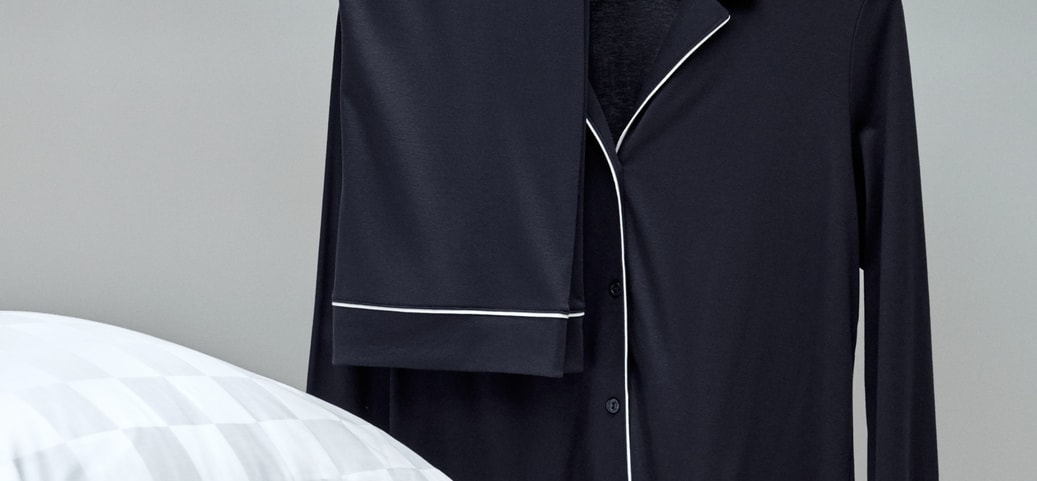
Caring for and storing clothes properly preserves fabrics, saves resources and extends garment life.
Table of Contents
Why proper clothing care is so important
How to read care labels correctly: What the symbols mean
Washing by material: How to care for cotton, silk, TENCEL™ & more
• Cotton: Care for a versatile material
• Wool: Wash gently to help retain its shape
• Silk: This material requires special care
• TENCEL™: Easy to care for and comfortable to wear
• Synthetic fabrics: How to care for elastane, polyester & more
How to dry laundry correctly: What you should keep in mind
How to choose the right ironing temperature
How to store clothes properly: Create order in your wardrobe
• Fresh, dry air to help with odours, moths & mould
• Storing clothes properly: Take extra care with wool
• Sort by material: How to protect delicate pieces
Conclusion: When it comes to laundry care, less is often more
The essentials at a glance
Care labels provide all the important information about washing temperature, programme and drying.
When in doubt, materials such as wool and silk are often best washed by hand. Cotton, TENCEL™ and synthetic fabrics can usually be washed at 40°C, depending on the care label.
Drying, ironing and storing clothes are often underestimated. However, these steps are important for helping textiles retain their shape and properties for as long as possible.
Why proper clothing care is so important
If you invest in high-quality clothing, you naturally want it to stay looking good for as long as possible. If you are not careful when washing and storing your clothes, even high-quality pieces can gradually lose their shape, fade, stretch or become rough. Proper clothing care is therefore an important part of taking conscious care of your textiles.
This is particularly relevant for materials such as cotton, wool and silk. With the right care, your favourite pyjamas can retain their soft feel and colour appearance even after many washes.
In addition, washing and caring for textiles according to their care instructions can help you avoid unnecessary wash cycles. This can help save water, energy and detergent. Proper clothing care does not have to be complicated; it simply requires a little attention.
How to read care labels correctly: What the symbols mean
Before washing a garment for the first time, it is worth checking the care label. It contains standardised care symbols that show you how a garment should be washed and cared for. The symbols can be divided into five categories:
The tub indicates the maximum washing temperature and the appropriate washing programme. A line underneath the tub indicates a gentle wash cycle, while a hand in the tub means “hand wash”.
The square with a circle is the tumble dryer symbol. If it is crossed out, the garment should not be tumble dried. One dot means that you should select a lower temperature.
A triangle provides information about bleaching. If it is crossed out, this means that bleach should not be used.
The iron symbol indicates the maximum ironing temperature. Here too, the number of dots indicates the temperature – the more dots, the higher the temperature.
The circle symbol indicates whether professional cleaning is possible. The letters “P” and “F” refer to dry cleaning, while “W” indicates professional wet cleaning.
A practical tip: Don’t cut the label out immediately if it feels uncomfortable. Instead, take a photo of it first or carefully turn it and secure it. The information on the label is useful for caring for the garment according to its instructions.
Washing by material: How to care for cotton, silk, TENCEL™ & more
Since every material reacts differently to water, temperature and detergent, not every garment can be washed using the same programme. Here’s what you should keep in mind when caring for some of the most common textiles.
Cotton: Care for a versatile material
Cotton is considered one of the easiest materials to care for. Depending on how it is made, it can withstand higher temperatures and can generally be washed in the washing machine without difficulty. Nevertheless, there are a few things to keep in mind:
Always wash light and dark colours separately to help prevent colour transfer.
For cotton loungewear and nightwear, choose a programme at 30 to 40°C to care for the textiles according to their care instructions.
Heavily soiled garments or underwear can also be washed at 60°C, depending on the care label.
Tip: A mild detergent is suitable for caring for cotton. Avoid fabric softener, as it can affect the material’s absorbency. Jeans in particular should be treated according to their care instructions to help preserve their appearance for as long as possible.
Wool: Wash gently to help retain its shape
Wool is more demanding than cotton and can react sensitively to certain care conditions. With the right care, a wool garment can retain its shape and properties for as long as possible. Here are a few tips:
Heat is one of the biggest concerns when caring for wool. It can cause wool to felt or the garment to shrink.
Fine-knit or particularly delicate wool garments should, where recommended, always be hand washed with a special wool detergent.
If you use a washing machine, select the wool programme at a maximum of 30°C and 600 rpm, provided this is permitted by the care label.
To dry wool garments, lay them flat on a dry towel. This can help them retain their shape. Never wring wool garments out!
Tip: For caring for wool, you can use a suitable wool detergent. Always follow the product instructions and the care instructions of the garment.
Silk: This material requires special care
Silk is sensitive to friction, heat and certain detergents. Gentle hand washing can therefore be suitable for silk garments. Here’s how to do it:
Fill the sink with cold water and add a few drops of delicate detergent.
Gently move the garment around in the water for a few minutes. Do not rub or scrub.
Do not tumble dry silk and do not leave it to dry in direct sunlight.
When ironing, select the lowest temperature setting and iron the garment inside out, preferably while it is still slightly damp.
As with cotton and wool, you should also avoid fabric softener when washing silk. It can affect the properties of the material.
TENCEL™: Easy to care for and comfortable to wear
TENCEL™ is a modern fibre made from wood cellulose, known, among other things, for its soft feel and breathable properties. Many CALIDA products use this material because it can feel pleasantly smooth and fluid against the skin. TENCEL™ can be relatively easy to care for when treated according to its care instructions and can dry quickly depending on the garment.
You can wash TENCEL™ clothing at 30 to 40°C according to the care label. Whether a garment can be tumble dried also depends on its care instructions. If air drying is recommended, you can hang or lay your garments out accordingly. Ironing at a low temperature is possible if permitted by the care label.
Synthetic fabrics: How to care for elastane, polyester & more
Synthetic fibres such as polyester, polyamide and elastane have different properties depending on the material and construction. They are often relatively easy to care for, but there are still a few things to keep in mind:
Depending on the care label, synthetic fabrics can usually be washed at 40°C. Turn them inside out before washing to reduce friction on the outer surface.
Synthetic fibres often require less detergent, depending on how soiled the garment is.
Avoid fabric softener, as residues can build up on the fibres and affect their properties.
When drying, keep the following in mind: polyester and polyamide may be suitable for tumble drying at a low temperature, depending on the care label. Garments with a high elastane content should be treated according to their care instructions, as high temperatures can affect their shape.
How to dry laundry correctly: What you should keep in mind
Many garments handle washing in the machine without problems but can change shape during drying. The easiest way to find out whether clothes can go in the tumble dryer is to check the care label. A square with a cross means: do not tumble dry.
As a general rule, whether wool, silk and TENCEL™ should be air dried depends on the care label. Cotton and synthetic fibres may be suitable for tumble drying depending on the garment. A low temperature can help reduce the risk of changes in shape.
If you dry clothes on hangers, avoid putting heavy tops on narrow hangers, as this can distort the shoulder area. Instead, lay your laundry flat on a drying rack where suitable for the material. Also avoid hanging clothes too close together, so that air can circulate more easily and the laundry can dry evenly.
How to choose the right ironing temperature
When ironing, the general rule is: the more delicate the material, the lower the temperature. While sturdy cotton garments can withstand somewhat more heat, silk and TENCEL™ should be ironed at a low temperature according to their care instructions and, if necessary, with a cloth between the iron and the garment.
Synthetic materials should also be ironed at a low temperature or not at all, as high temperatures can damage the fibres and change their properties.
How to store clothes properly: Create order in your wardrobe
Storage also plays an important role in preserving your clothes. Incorrect storage can lead to changes in shape, moth damage and unpleasant odours, even with freshly washed garments.
Fresh, dry air to help with odours, moths & mould
The first and most important point: clothes need space. Too little space between individual garments not only causes creases but also restricts air circulation. This can contribute to moisture, which may lead to unpleasant odours or, under unfavourable conditions, mould.
Give your garments some room so they can retain their shape as well as possible. In general, make sure your wardrobe has a dry environment and fresh air. Open the wardrobe regularly and air the room several times a day.
Storing clothes properly: Take extra care with wool
Wool and other materials are often stored seasonally. Before putting them away, clean them according to the care instructions and allow them to dry completely. This can help avoid dirt and moisture during storage.
Lavender bags or cedar wood are commonly used when storing clothes and can help keep clothes moths away.
It is best to store delicate pieces in breathable garment bags that protect them from dust without trapping moisture. This can help reduce unpleasant odours and moisture build-up.
Sort by material: How to protect delicate pieces
Sorting your clothes by material not only makes your wardrobe easier to organise but can also help prevent delicate garments from being damaged by heavier pieces. For fine blouses or silk nightdresses in particular, it is worth paying attention to how they are stored. They should either be loosely folded or hung on soft, wide hangers. Narrow wire hangers, on the other hand, can leave marks and distort the shoulder area.
Conclusion: When it comes to laundry care, less is often more
Proper clothing care can help you retain the properties and shape of your garments for as long as possible. All it takes is a little knowledge about washing, drying, ironing and storing clothes correctly to care for textiles according to their instructions – whether it is cotton underwear, a silk pyjama set or a knitted wool cardigan.
Checking the care label provides important information about the right washing programme and how to handle delicate materials. In many cases, less is more: lower washing and ironing temperatures, avoiding aggressive care products and allowing enough space in your wardrobe can already make a difference.
CALIDA loungewear is available in a range of materials and constructions – whether you choose cotton, TENCEL™, wool or silk. If you wash your clothes gently, dry them according to their care instructions and store them properly, you can help your favourite pieces retain their properties and shape for as long as possible.
Discover more interesting blog posts: