Washing Machine Leaves Lint: Causes & What Really Helps
You pull your freshly washed laundry out of the machine and it's covered in little bits of fluff? We'll explain why your washing machine leaves lint, what you can do about it, and the steps that will get your clothes clean and lint-free again.
by CALIDA
September 2, 2026•3 min reading time
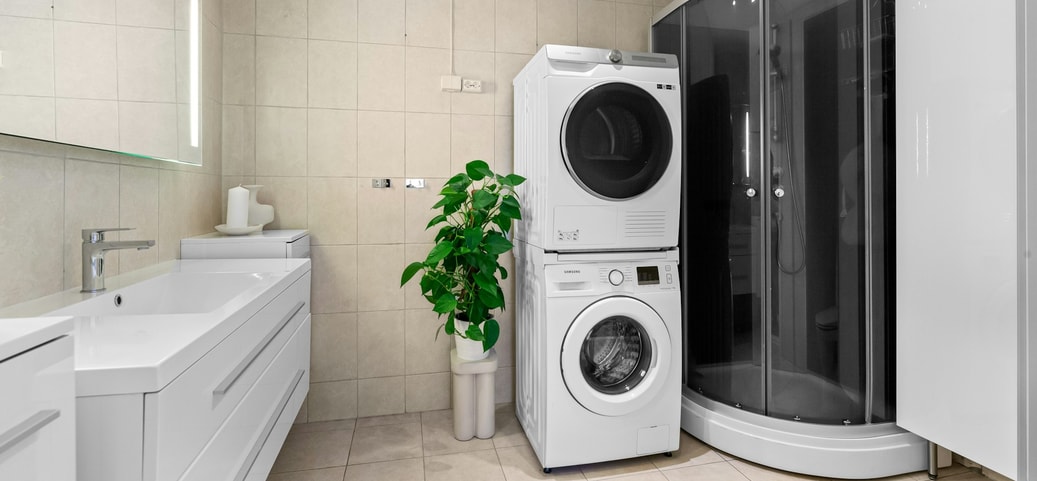
Careful sorting, the right load size and regular cleaning noticeably reduce lint.
Table of Contents
Key points
Lint is usually caused by an unfavourable fabric mix, an overloaded drum, or a clogged lint filter. These then spread across your entire wash load.
Sort your textiles carefully, turn delicate items inside out, and fill the machine no more than two-thirds full. This significantly reduces lint formation.
Regularly cleaning the lint filter and drum ensures that no residue builds up and that washing performance stays consistent.
Why does laundry lint after washing?
You've probably experienced it: you forgot a tissue in your trouser pocket, and suddenly your dark laundry is covered in pale fluff. If that's not the case, the cause usually lies in the fibres themselves.
Many textiles shed tiny fibre particles that settle as lint on other items of clothing. Materials like terry cloth, fleece, or lower-quality cotton shed particularly heavily. When these items meet smooth, dark textiles, the lint becomes immediately visible.
On top of that, there's mechanical friction inside the drum. The harder fabrics rub against each other, the more fibres come loose. Old deposits and residue in the machine can also transfer onto fresh laundry.
The most common washing mistakes
Often it's small habits when washing that unintentionally make the lint problem worse. Watch out for these:
Overloading: An overly full drum prevents lint from being rinsed away. It stays trapped in the clothing.
Incorrect sorting: Washing lint-shedding and delicate textiles together risks lint formation.
Clogged lint filter: If the filter is full, water can no longer properly carry away dirt and fibres.
Unsuitable wash cycle: A wash temperature that's too high combined with an intense cycle with lots of spinning puts extra strain on the fibres.
Fabric softener can also be problematic: while it makes laundry feel softer, it damages the fibre structure over time and can lead to build-up inside the machine.
What helps against lint on clothing? The most effective steps
The good news: with a few simple adjustments, you can get pesky lint under control. Here's how:
Sort your laundry by material and colour. Wash lint-shedding items like towels separately from smooth textiles.
Turn delicate clothing inside out to protect the surface and reduce friction.
Fill the drum only two-thirds full. This gives textiles more room and allows lint to be rinsed out more effectively.
Use a laundry bag for particularly delicate items.
Choose a gentle wash cycle with a suitable temperature.
If lint is already deeply embedded in your clothing, a lint brush, a lint roller, or a short spin in the tumble dryer with a cleaned lint filter can help. Rewashing with the correct load size often improves things too.
Washing Machine Leaves Lint: How to Get Rid of It for Good
Many people underestimate how much residue builds up in the drum over time. Regular cleaning is therefore the most important step for getting rid of recurring lint from your washing machine.
Start by cleaning the lint filter, usually located behind a small flap at the bottom of the machine. This is where fibres, dirt, and sometimes even small items like coins collect. Checking and, if needed, emptying this filter every few weeks keeps it clear.
For cleaning the drum, it's also worth running a cleaning cycle at a high temperature without any laundry. For an especially thorough result, you can occasionally use household remedies like citric acid or white vinegar. Alternatively, a specialised machine cleaner works well to dissolve deposits and residue, so no lint is left behind in the drum.
Low-Lint Textiles as the Best Prevention
An often-overlooked point: the quality of your textiles plays a major role in how much your laundry lints. High-quality materials such as fine cotton or TENCEL™ are hard-wearing, shed fewer fibres, and are easy to care for. CALIDA's nightwear and loungewear rely on carefully selected materials that hold their shape wash after wash.
Conclusion
If your clothes are shedding lint after washing, it's usually down to a combination of fabric types, overloading, and insufficient machine maintenance. Loose fibres spread through the drum during the wash cycle and settle on your laundry.
The right sorting, a correctly filled drum, and a suitable wash cycle effectively prevent lint formation. Clean the lint filter and machine regularly so no residue builds up. If you also choose high-quality, low-lint textiles, your clothes will stay looking good for longer.
Discover more interesting blog posts: