Sleeping with contact lenses: effects & what you need to know
You fell asleep on the sofa and only realised hours later that your lenses were still in? Here’s what happens when you sleep with contact lenses, which risks are involved and which alternatives truly make sense.
by CALIDA
August 26, 2026•4 min reading time
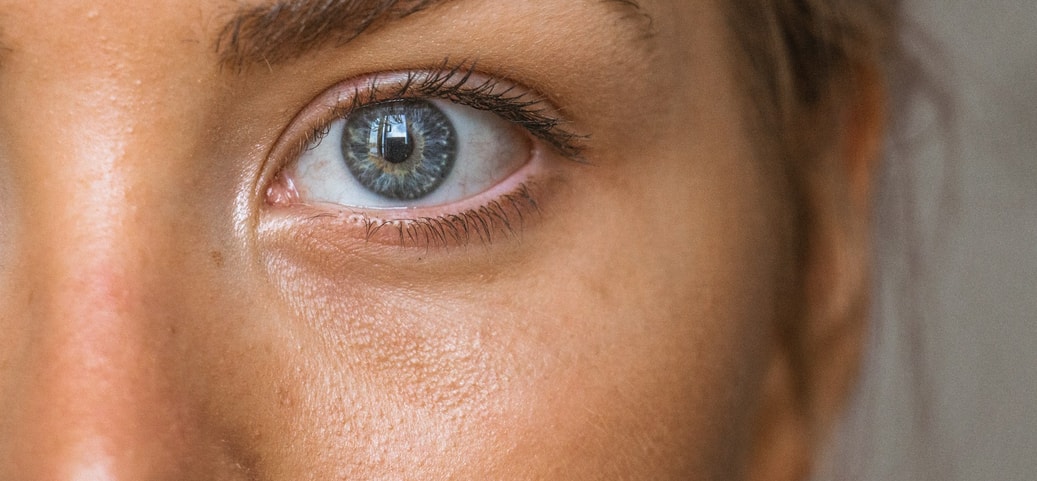
Sleeping with contact lenses can strain the eyes and makes a mindful care routine essential.
Table of Contents
What happens in your eyes when you sleep with contact lenses?
• Dryness, irritation & redness
• Infection risk & inflammation caused by bacteria
• Corneal damage & possible vision changes
Falling asleep with contact lenses: how to relieve your eyes
Napping with contact lenses: harmless or risky?
Smart alternatives for safe nights: extended‑wear lenses & night lenses
Key points
Sleeping with contact lenses significantly reduces the oxygen supply to the cornea, increasing dryness, irritation and — over time — the risk of more serious damage.
The biggest concern is the higher risk of infection. Bacteria multiply more easily under the lens and can lead to corneal inflammation.
Going to bed without lenses is the best way to protect your eye health. Night lenses or simply using glasses as a backup are sensible alternatives.
What happens in your eyes when you sleep with contact lenses?
Your eyes need oxygen — around the clock. During the day, oxygen reaches the cornea through the tear film and the surrounding air. Once you close your eyes, this supply is naturally reduced. If you then sleep with contact lenses, typical dryness can develop more quickly, and bacteria can accumulate more easily. These are the most common symptoms after falling asleep with lenses in.
Dryness, irritation & redness
When your eyes are closed at night, the cornea receives less oxygen. With a contact lens sitting on top, this effect becomes much stronger. At the same time, the tear film doesn’t replenish as effectively behind closed eyelids. The lens dries out, clings to the cornea and can feel almost “stuck” in place.
After waking up, the eyes often feel dry, irritated or sore. Typical signs include visible redness, a foreign‑body sensation and mild burning. In most cases, the irritation eases once the lens is removed, the eye calms down and tear fluid is restored.
Infection risk & inflammation caused by bacteria
The biggest issue with forgetting your lenses overnight is the increased risk of infection. Under closed eyelids, warmth and moisture create ideal conditions for bacteria to multiply beneath the lens. At the same time, there is too little tear fluid to flush them out.
If these bacteria enter tiny micro‑injuries in the cornea, inflammation can develop. Corneal infections are painful and should always be assessed by an eye‑care professional.
Corneal damage & possible vision changes
Frequent or prolonged sleeping with contact lenses can lead to long‑term corneal damage, which may be difficult to reverse or treat. An under‑oxygenated cornea can change in shape and structure — in rare cases causing vision disturbances or a decline in visual acuity.
Because the eyes are extremely sensitive, caution is essential. Your eye health is far too valuable to risk through repeated overnight lens wear.
Falling asleep with contact lenses: how to relieve your eyes
You fell asleep with your contact lenses in? No need to panic. With a little patience and care, you can remove the lens safely and help your eyes recover. Never try to take out a dry lens, as this can easily scratch the cornea. Instead, wait 20 to 30 minutes until your eyes have produced enough tear fluid.
If your eyes remain dry, sticky or irritated, you can moisten them with a few drops of saline solution or rewetting drops to make removal easier. Give it a moment, move your eyes gently and only remove the lens once it slides freely again. Afterwards, treat your eyes to a lens‑free day and wear glasses instead.
If you notice persistent redness, pain, strong light sensitivity or any changes in vision, please seek professional medical care promptly. These symptoms should always be assessed by an eye specialist.
Napping with contact lenses: harmless or risky?
Many people wonder whether a short nap with contact lenses is really that bad. In principle, even during a power nap, oxygen supply to the cornea is reduced. A 20‑minute rest is naturally less critical than a full night — but it’s still not risk‑free, as dryness can develop even in this short time.
Tip: If you know you’re about to lie down, remove your lenses beforehand. It’s the safest way to avoid unnecessary irritation.
Smart alternatives for safe nights: extended‑wear lenses & night lenses
Fortunately, there are several ways to avoid the risks of sleeping with contact lenses while staying flexible.
The safest option is, of course, to remove your lenses before bed. Daily disposables can simply be thrown away in the evening so you start fresh the next morning. And if you need to get up at night, your glasses are always a reliable backup.
There are also extended‑wear lenses designed for multiple nights of use. However, these should only be worn after consulting an eye‑care professional, as they are not suitable for everyone.
And then there are night lenses — but they serve a different purpose. These lenses are worn overnight to gently reshape the cornea, allowing lens‑free vision during the day.
Wearing contact lenses: wearing time & hygiene essentials
To keep your eyes healthy in the long term, wearing time and hygiene play a central role. How many hours per day you can safely wear contact lenses depends on the lens type and your individual eyes. As a general guideline, eight to twelve hours are often recommended — but the exact wearing time should always be agreed with your eye‑care professional.
When it comes to lens care, one rule is non‑negotiable: Always clean and store reusable lenses in fresh contact lens solution, never in water. Wash your hands before inserting lenses and replace your lens case regularly.
You should also avoid showering or swimming with lenses, never wear them beyond the recommended duration and — of course — avoid sleeping with contact lenses. A consistent evening routine helps you remember to remove them. When you consciously wind down at night and slip into comfortable, breathable sleepwear, you automatically remember that it’s time to take your lenses out.
Conclusion
Sleeping with contact lenses strains your eyes because the cornea receives too little oxygen and bacteria can multiply more easily. Dryness, irritation and an increased risk of infection are the most common consequences — and in the worst case, corneal damage may occur.
A single night or a short nap is usually not dramatic, but it should remain the exception. If you do fall asleep with lenses, moisten the eye, remove the lens carefully and observe whether symptoms develop. If they do, an eye‑care practice is the right place to go.
The safest approach is to remove your lenses before sleeping and use glasses during the night. This protects your eye health and helps you get through the night comfortably. For maximum comfort, CALIDA’s DEEPSLEEPWEAR collection is an ideal companion.
Discover more interesting blog posts: