Sleep and immune system — how restful nights strengthen your body’s defences
People who frequently catch infections or fall ill should focus on strengthening their body’s natural defences. This doesn’t only work through a healthy, vitamin‑rich diet — improving your sleep hygiene is just as important. Here’s why sleep and the immune system are far more closely connected than most people realise.
by CALIDA
July 1, 2026•5 min reading time
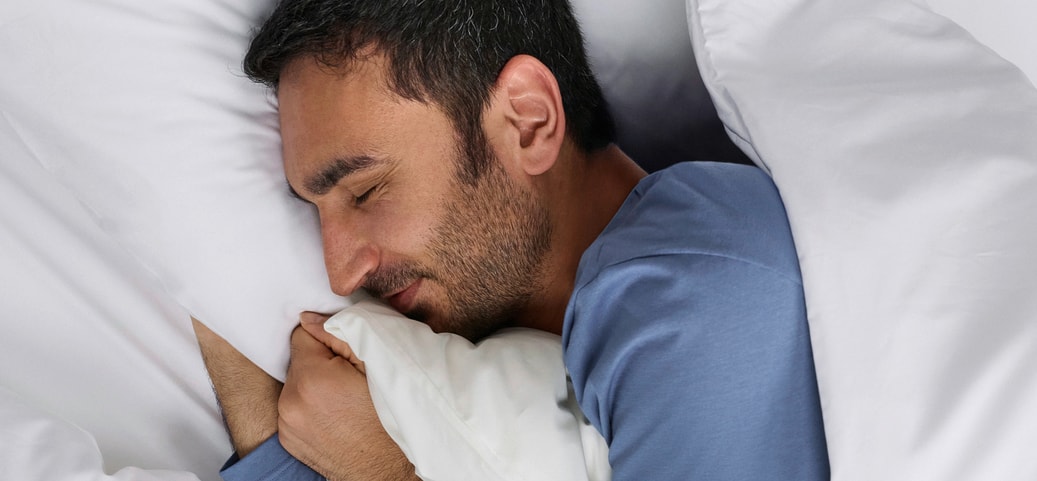
Good sleep strengthens the immune system, supports recovery and promotes long‑term health.
Table of Contents
What happens in the body while you sleep?
Does sleep really strengthen the immune system?
How much sleep do I need to support my immune defences?
• Sleep duration vs. sleep quality: why you may feel tired and get sick despite enough sleep
• Why do we sleep so much when we’re ill?
3 tips to strengthen the immune system through better sleep
• Tip 1: Establish a better sleep routine and sleep hygiene
• Tip 2: Actively reduce stress
Key points
While you sleep, your body produces important immune cells that fight infections and inflammation. Good sleep is therefore active support for your health.
Even a few nights with too little sleep increase cortisol levels, weaken the immune response and make the body more susceptible to infections.
High‑quality sleep is, alongside a healthy diet and sufficient physical activity, one of the most important factors for long‑term health.
What happens in the body while you sleep?
Sleep is far more than a break from daily life. While you rest at night, the body runs numerous regeneration processes that simply wouldn’t be possible during the day.
Deep sleep is especially important: during this phase, the body releases growth hormones, repairs cells and strengthens tissue. At the same time, the production of melatonin increases — the sleep hormone that regulates the sleep–wake cycle and is thought to play a supporting role in controlling inflammatory processes.
The nervous system also uses the night to recover. It processes stimuli, regulates stress hormones and prepares the body for the next day. This cellular regeneration and hormonal balance form the foundation for the immune system to function effectively.
Does sleep really strengthen the immune system?
Yes — and in a direct way. During sleep, the body produces cytokines, signalling molecules that coordinate immune cells, regulate inflammation and target pathogens. Some cytokines are even produced in sufficient amounts only during sleep.
In addition, T‑cells become more active at night — you’ve likely heard of these immune cells. They recognise infected cells and initiate their elimination. Studies show that well‑rested people develop a significantly stronger immune response after vaccination than those with sleep deprivation. A clear sign of how closely the sleep and immune system are linked.
How much sleep do I need to support my immune defences?
For most adults, 7 to 9 hours per night are recommended to give the body enough time to regenerate and support immune function. Sleeping less than 6 hours on a regular basis has been shown to weaken the body’s defences. The level of the stress hormone cortisol rises measurably after just a few nights of insufficient sleep.
Persistently elevated cortisol suppresses the production of immune cells and promotes inflammatory processes in the body. The result: increased susceptibility to infections, slower reactions to pathogens and longer recovery times after illness.
Even a single night with only 4 hours of sleep can temporarily reduce the number of certain immune cells in the blood. With chronic sleep deprivation, these effects intensify and can burden long‑term health — fatigue is only the most visible symptom.
Sleep duration vs. sleep quality: why you may feel tired and get sick despite enough sleep
Some people sleep long enough yet still fall ill frequently or feel permanently exhausted. Besides other unhealthy habits such as long hours at a desk and little movement, poor sleep quality can also be a major factor.
If you sleep restlessly, rarely reach deep sleep phases, or wake up often, your body cannot fully benefit from nightly regeneration. In this case, it’s worth examining your sleep habits and sleep environment more closely. A dark, quiet and cool bedroom as well as breathable nightwear are important first steps towards truly restorative sleep.
Why do we sleep so much when we’re ill?
When you’re ill, you sleep more — and that’s a good thing, because the immune system needs enormous amounts of energy during an infection. By signalling tiredness and increasing the need for sleep, the body directs resources to where they are needed most: healing.
During sleep, several important processes run in parallel: immune responses such as fever are supported, inflammatory messengers are released and coordinated, and cell regeneration works at full speed to repair damaged tissue. More sleep and longer rest are therefore not a luxury, but an essential part of the healing process.
3 tips to strengthen the immune system through better sleep
If you want to support your immune defences during sleep, you don’t need major lifestyle changes. Often, small but targeted adjustments to your daily routine are enough to noticeably improve sleep quality and stay healthy throughout cold season.
Tip 1: Establish a better sleep routine and sleep hygiene
Our body thrives on regularity. Going to bed and waking up at the same time every day supports your natural circadian rhythm and helps the body transition more easily into deep sleep phases.
Your sleep routine includes all habits that prepare you for rest and improve sleep hygiene: a cool, quiet environment, avoiding screens shortly before bedtime, and limiting caffeine in the afternoon.
Tip 2: Actively reduce stress
Chronic stress is one of the most common sleep disruptors — and therefore a direct opponent of a strong immune system. Fresh‑air exercise, consciously switching off after work, and relaxation rituals such as breathing exercises or a warm bath help lower cortisol levels and shift the body from stress mode into rest mode.
Tip 3: Choose the right nightwear
What many underestimate: sleepwear also has a direct impact on sleep quality. If you sweat or feel cold at night, you wake up more often and spend less time in essential deep sleep phases. Breathable nightwear made from high‑quality natural materials such as cotton or TENCEL™ regulates body temperature, wicks away moisture and creates a comfortable sleep climate.
Conclusion
Sleep and the immune system are inseparably linked. During the night, the body produces immune cells, regulates inflammation, balances key hormones and regenerates on a cellular level. Anyone who consistently sleeps too little — or sleeps poorly — weakens their immune defences, and this can happen after just a single night of shortened or interrupted sleep.
The good news: with a consistent sleep routine, targeted relaxation, and the right sleep environment, sleep quality can be actively improved. Choosing breathable nightwear made from natural materials further supports optimal conditions for a strong immune system.
Discover more interesting blog posts: