Remove deodorant stains: 7 home remedies for fresh, bright laundry
White marks on a black shirt, yellow discolouration on light fabrics — deodorant stains under the arms are annoying and often stubborn. But before reaching for harsh stain removers, it’s worth taking a look at your kitchen cupboard. Most deodorant stains can be removed from clothing using simple home remedies. Here are seven tried‑and‑tested helpers — and which method works best for which type of fabric.
by CALIDA
July 15, 2026•4 min reading time
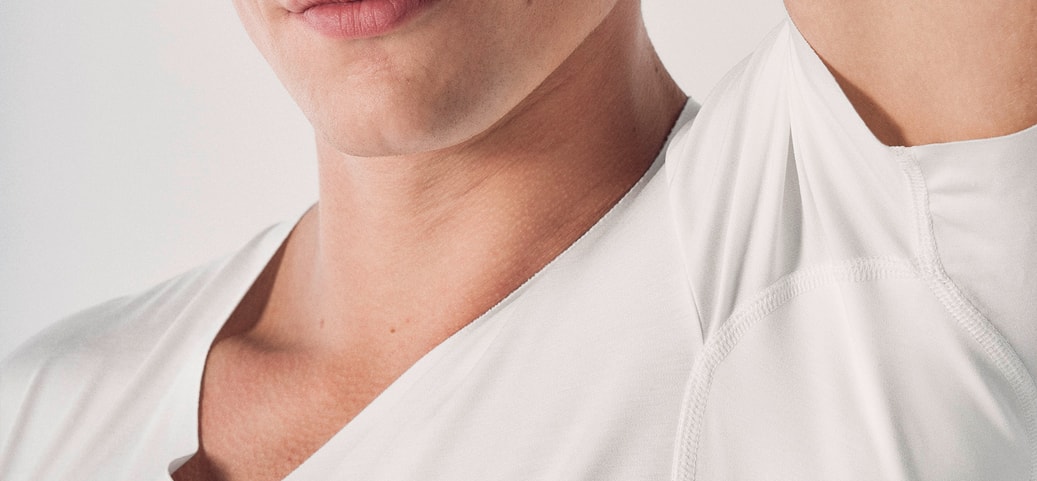
Removing deodorant stains works best with the right methods and protects fabrics from residue.
Table of Contents
The 7 most popular home remedies to remove deodorant stains
• 1. Baking powder or bicarbonate of soda for light clothing
• 2. White vinegar for dark fabrics
• 3. Citric acid for sturdy fabrics
• 4. Gall soap as an all‑in‑one solution
• 5. Salt as a gentle scrub for fresh stains
• 6. Alcohol for delicate textiles
• 7. Sunlight as a natural bleaching agent
Removing deodorant stains from delicate clothing: better safe than sorry
Key points
The typical yellow stains and deodorant marks are usually caused by aluminium‑based deodorants, as aluminium salts react with sweat proteins and bind to the fibres.
Choosing the right home remedy determines success or failure: what works on sturdy cotton can permanently damage wool or silk.
Putting deodorant‑stained clothing in the tumble dryer is a common mistake, as heat sets the residue permanently. The rule is always: pre‑treat, wash and air‑dry.
The 7 most popular home remedies to remove deodorant stains
Thorough pre‑treatment is essential when you want to remove deodorant stains — especially stubborn ones. Putting a garment straight into the washing machine without pre‑treating it will usually lead to disappointment, particularly when older or dried‑in stains have already survived several wash cycles. The key is choosing the right method for your fabric and giving the remedy enough time to work.
1. Baking powder or bicarbonate of soda for light clothing
Baking powder is one of the best‑known home remedies for yellow deodorant stains — and for good reason. Mixed with a little water, it forms a paste that you apply to the dampened stain, gently rub in and leave to work for at least two hours; for crusted stains, overnight is even better.
The bicarbonate breaks down protein residues and neutralises odours. This method is ideal for white shirts and colourfast fabrics. On dark textiles, however, it may cause slight lightening, so always test on an inconspicuous area first.
2. White vinegar for dark fabrics
If you want to remove deodorant stains from a black shirt or other dark textiles, white vinegar is your best option. Dilute it with water in equal parts and dab the mixture onto the stain to dissolve deodorant residue and neutralise odours — without damaging the colour.
For particularly stubborn underarm stains, you can apply undiluted vinegar essence for a few minutes. The strong smell disappears completely during washing.
3. Citric acid for sturdy fabrics
Citric acid can also help remove deodorant stains — especially on light, robust fabrics such as cotton. It breaks down the aluminium compounds from antiperspirants and has a mild brightening effect. Dissolve two tablespoons of citric acid powder in 100 ml of warm water, apply to the stain, leave for 30 minutes and wash as usual.
4. Gall soap as an all‑in‑one solution
Gall soap is a natural, fragrance‑free product suitable for many types of stains — including deodorant marks on various fabrics. Simply dampen the area, rub the soap directly onto the stain and leave it to work for about 30 minutes before washing.
Its big advantage: gall soap is gentle on fibres, making it suitable even for more delicate materials. For dried‑in stains, a second treatment may be necessary.
5. Salt as a gentle scrub for fresh stains
Ordinary table salt is an underrated helper for treating fresh deodorant stains. Sprinkled onto the damp stain and gently worked in, it loosens residue mechanically and has a mild brightening effect.
For more stubborn cases, soak the garment in a saline solution (1 litre of water + 20 g of salt) for several hours. Salt also boosts the cleaning power of citric acid or a good detergent.
6. Alcohol for delicate textiles
For natural fibres such as wool and silk — which cannot tolerate acids or harsh cleaners — high‑proof alcohol is the gentlest option. Applied with a clean cloth and dabbed from the outside in, it dissolves fresh deodorant residue without stressing the fibres.
After about 15 minutes, rinse with cold water and wash as usual. This method is ideal as a quick fix or for garments that cannot go in the washing machine.
7. Sunlight as a natural bleaching agent
UV light has a natural bleaching effect on light fabrics and is one of the gentlest allies against yellow deodorant stains. Dampen the area with a mixture of water and citric acid and hang the garment directly in the sun. A few hours of sunlight are often enough to noticeably brighten or completely remove stubborn discolouration.
But caution: this method works only on white or very light fabrics. Coloured textiles should be dried in the shade to avoid fading. And avoid the tumble dryer entirely — heat will set deodorant stains permanently.
Removing deodorant stains from delicate clothing: better safe than sorry
When dealing with deodorant stains on sportswear, functional fabrics, silk or wool, special rules apply. While synthetic materials react sensitively to acids, wool and silk must only be washed at cold temperatures. Gall soap and alcohol are the safest options here — but wool and silk should never be soaked or rubbed. Gentle dabbing is the key.
However, if you’re unsure about treating a particularly valuable garment, professional cleaning is always the safer choice compared to a risky DIY attempt.
Conclusion
Removing deodorant stains from clothing isn’t complicated — as long as you choose the right method and give it enough time to work. Baking powder, vinegar, citric acid, gall soap, salt, alcohol and even sunlight form a strong team against white and yellow deodorant residue.
To prevent deodorant stains, opt for an aluminium‑free deodorant and let it dry completely before getting dressed. Sweaty clothing should also be washed promptly so the stains don’t set into the fibres.
Breathable underwear and shirts from CALIDA, made from high‑quality cotton and TENCEL™, help regulate moisture effectively — giving deodorant stains far less chance to form in the first place.
Discover more interesting blog posts: