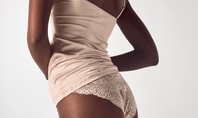
Nightwear for menopause: What really matters
Do you lie awake at night because your duvet suddenly feels far too warm? Shortly afterwards, you may feel so cold that you could reach for a hot water bottle. If you are going through menopause, you may be familiar with hot flashes and night sweats, which can affect your comfort during the night. One aspect that is sometimes overlooked is the role of the right nightwear in your personal comfort. Find out more about breathable materials and comfortable cuts that can contribute to a more pleasant feel during menopause.
by CALIDA
May 27, 2026•4 min reading time
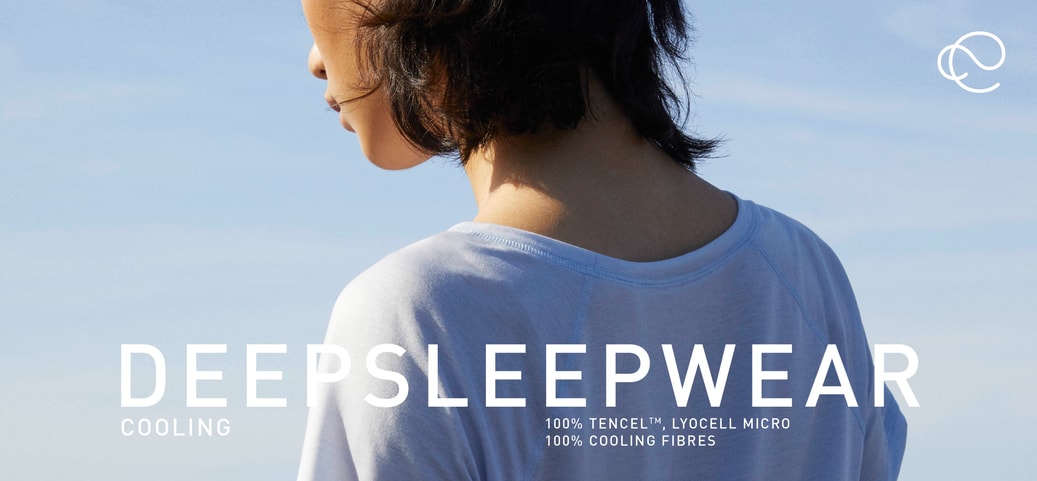
Breathable sleepwear helps reduce night sweats during menopause and improves sleep and overall comfort.
Table of Contents
Why nightwear can play an important role during menopause
Choosing the right materials: Breathable, comfortable & pleasant
• TENCEL™ and Lyocell: Moisture management at fibre level
• Cotton: The classic all-round fibre
Materials to consider when choosing nightwear
Night-time comfort: Fits & cuts to consider
• Loose & lightweight: What can feel comfortable during hot flashes
• Pyjamas or a nightdress: Which works better?
How often should you change your nightwear during menopause?
Key points
Materials such as TENCEL™, Lyocell and cotton offer breathable and moisture-absorbing properties and can therefore contribute to a comfortable feel.
Loose, lightweight styles such as relaxed pyjama tops, shorts or flowing nightdresses offer freedom of movement and can help reduce heat build-up underneath clothing.
Synthetic materials such as polyester can feel warmer depending on their construction and your personal preferences. When choosing nightwear, it is therefore worth considering the material, fit and your individual temperature preferences.
Why nightwear can play an important role during menopause
Menopause involves hormonal changes that can affect different areas of the body. Changes in oestrogen levels are among the factors associated with hot flashes and night sweats. Your perception of temperature may also change during this time. This can contribute to disrupted nights and a less comfortable feeling the following morning.
In this context, your sleeping environment and, in particular, the materials that come directly into contact with your skin can play a role in personal comfort. Nightwear that absorbs less moisture or retains more heat may feel less comfortable when you experience night sweats. Breathable, moisture-absorbing materials, on the other hand, can contribute to a more comfortable feel.
In short: Choosing the right nightwear can contribute to personal comfort during the night throughout menopause.
Choosing the right materials: Breathable, comfortable & pleasant
Material choice plays an important role when it comes to nightwear during menopause. The key is to look for materials with moisture-absorbing and breathable properties. Find out which fabrics may be suitable and how they differ.
TENCEL™ and Lyocell: Moisture management at fibre level
TENCEL™ has become a popular material for nightwear in recent years. The Lyocell fibre made from wood has properties that make it an interesting choice for a variety of garments.
The fibre is known, among other things, for its moisture absorption: it can absorb and release moisture. This can contribute to a comfortable feel, even if you experience increased sweating at night.
TENCEL™ can also feel pleasantly soft. When choosing nightwear, both the material and your personal feel and comfort are important considerations.
Cotton: The classic all-round fibre
Cotton is another established fibre that is widely used for nightwear. Depending on its construction, it can be breathable, soft and easy to care for. It can also be suitable for garments that are washed regularly.
Tip: Cotton is available in a variety of constructions. Lightweight cotton fabrics can feel particularly comfortable as nightwear and offer a lightweight option for warmer nights.
Materials to consider when choosing nightwear
When choosing nightwear during menopause, lightweight materials and your personal preferences play an important role.
Synthetic materials such as polyester or nylon can feel different depending on their construction and your individual preferences. Some qualities absorb less moisture than other materials and may retain more heat. Less stretchy fabrics and tight cuffs can also affect comfort, even if they are made from materials you generally enjoy wearing.
Night-time comfort: Fits & cuts to consider
Material is only one part of the equation. The cut and fit of your nightwear can also play an important role in feeling comfortable during menopause.
Loose & lightweight: What can feel comfortable during hot flashes
Loose-fitting pyjamas and nightdresses can be a comfortable alternative to close-fitting styles during menopause. Relaxed pyjama tops and trousers provide freedom of movement and can help reduce heat build-up underneath the fabric.
If you tend to sweat at night, you can also try shorter styles: shorts and short-sleeved tops made from lightweight materials such as TENCEL™ can be particularly suitable for warmer nights and support a comfortable feel.
Pyjamas or a nightdress: Which works better?
Both pyjamas and nightdresses can work well during menopause, as long as you consider the material and fit. Nightdresses offer plenty of freedom of movement and can be a comfortable option if you prefer wearing less fabric at night.
Two-piece pyjamas, on the other hand, offer flexibility. You can combine short or long trousers with different tops and adjust your nightwear to your personal temperature preferences. It is important that cuffs, hems and seams do not feel uncomfortably restrictive, allowing you to move freely throughout the night.
How often should you change your nightwear during menopause?
When you sweat at night, your body releases not only heat but also moisture, which can accumulate in the fabric. Nightwear worn for several nights can therefore gradually absorb more moisture and body residues. If you sweat heavily, changing your nightwear daily or at least every two days can be a comfortable option.
Regularly changing your nightwear is not only a matter of care, but also of personal comfort. Fresh nightwear can feel pleasant against the skin. It can therefore be useful to have several sets of nightwear available, so that you always have a fresh set ready even when washing frequently.
Another tip: When washing your nightwear, choose gentle programmes and a suitable detergent to help preserve the material properties and fit of your nightwear for as long as possible.
Conclusion
Menopause can be accompanied by changes in your perception of temperature and night sweats. The right nightwear can contribute to a more comfortable feel. Breathable materials such as TENCEL™, Lyocell and cotton can absorb moisture and feel comfortable depending on their construction. Loose-fitting pyjamas, short-sleeved tops, shorts or nightdresses provide freedom of movement and can help reduce heat build-up underneath your clothing.
By also changing your nightwear regularly and choosing the material and fit according to your personal temperature preferences, you can adapt your sleepwear to your individual needs during menopause. Especially during this stage of life, small adjustments to your sleeping environment can contribute to greater personal comfort.