Headaches After Waking Up: Causes and Tips for a Calmer Start to Your Day
The alarm rings, you open your eyes, and instead of feeling energised, you notice a dull throb behind your forehead. If you often wake up with a headache, the day can begin on a weary note. Here we explain what may be behind headaches after waking up, and how you can ease into your mornings more gently.
by CALIDA
November 4, 2026•6 min reading time
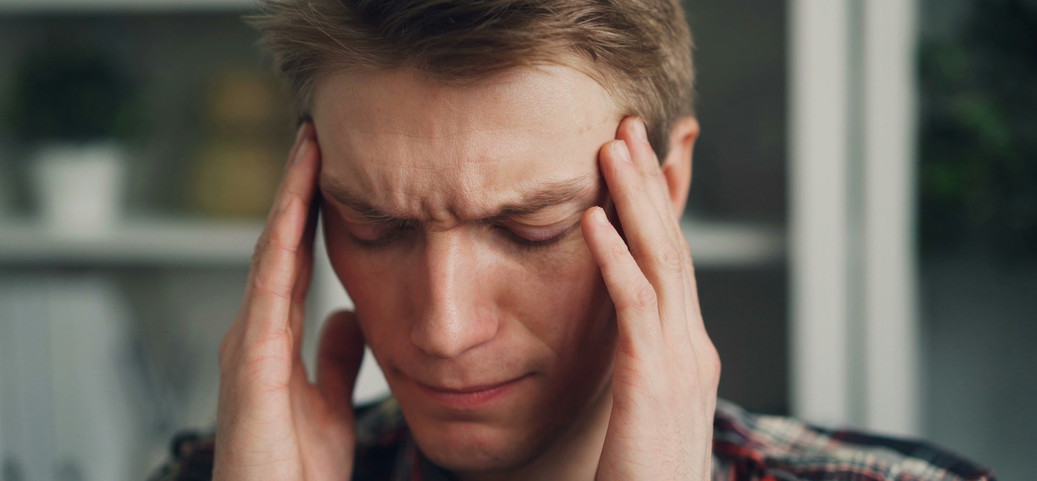
Woken up with pain? Tips and insights on headaches in the morning.
Table of Contents
Why Do I Wake Up with a Headache?
The Most Common Causes of Morning Headaches
• Too Little Sleep, or Too Much
• Stress, Tension and Teeth Grinding
• Sleeping Position, Pillow and Mattress
• Air Quality, Temperature and Humidity
• Alcohol, Dehydration and Low Blood Sugar
• When There Is More to It: Snoring, Sleep Apnoea and Migraine
6 Tips for Preventing Morning Headaches
• Tip 1: Good Sleep Hygiene and a Regular Rhythm
• Tip 2: Relieve Your Neck with the Right Sleeping Position
• Tip 3: Create a Comfortable Sleep Climate
• Tip 4: Choose Breathable Nightwear
• Tip 5: Release Stress with a Calming Evening Ritual
Key points
Headaches after waking up often have everyday causes, such as lack of sleep, stress or muscle tension. Alcohol the evening before and too little fluid also frequently play a part.
Your sleeping position, pillow, mattress and bedroom climate all affect how refreshed you feel in the morning. Often, small adjustments in the bedroom are enough.
If the symptoms occur regularly or become more intense, you should have them checked by a doctor. Possible causes include migraine or sleep apnoea.
Why Do I Wake Up with a Headache?
Many processes take place in your body overnight. Muscle tension, fluid balance and blood sugar levels all shift over several hours in which you neither drink nor eat. If something falls out of balance, it often shows up as a headache once you wake.
The good news: morning headaches are common and, in many cases, harmless. Often several factors work together, and with a little attention they are easy to spot.
The Most Common Causes of Morning Headaches
If you often have a headache in the morning, it is worth taking a closer look at your habits. The following causes are particularly common.
Too Little Sleep, or Too Much
Not enough sleep is one of the most frequent triggers. When your body lacks the time to recover, sleep quality drops and you become more sensitive to pain.
The opposite can also bring on a headache. If you sleep in much later than usual at the weekend, your sleep-wake rhythm gets thrown off. Many people know this as the classic Sunday morning headache.
Stress, Tension and Teeth Grinding
Stress often follows us into bed. The muscles in your neck, shoulders and jaw stay tense even as you sleep, which can bring on a tension headache. It typically feels like a dull, pressing pain, as if a tight band were wrapped around your head.
Some people also respond to tension by grinding their teeth at night. The jaw muscles work overtime, and the tension can radiate into the temples and forehead.
Sleeping Position, Pillow and Mattress
How you lie has a great influence on how you wake up. Lying on your front, in particular, keeps your head turned to one side for hours, which strains the cervical spine. A pillow that is too high or too flat can also bend your neck out of line.
A worn-out mattress makes matters worse, as it no longer supports your shoulders and spine evenly. The result is tension that you feel in the morning as a headache.
Air Quality, Temperature and Humidity
A stuffy, overheated bedroom is often underestimated. When the air is stale, you can quickly feel groggy in the morning. A room that is too warm also makes you perspire, causing your body to lose extra fluid.
In winter, dry heating air can dry out your mucous membranes too. The ideal bedroom temperature is between 16 and 18 °C, with humidity between 40 and 60 per cent.
Alcohol, Dehydration and Low Blood Sugar
That glass of wine in the evening feels relaxing, but it disturbs your sleep. Alcohol also draws fluid from the body. If you have not drunk much during the day, you begin the morning already running a deficit.
If your last meal was a long time ago, slightly low blood sugar can also contribute to waking up with a headache. This affects people who eat very early or very little in the evening.
When There Is More to It: Snoring, Sleep Apnoea and Migraine
Loud snoring can be a sign of sleep apnoea. This condition involves repeated pauses in breathing during the night, which disrupt your sleep and can lead to morning headaches and pronounced daytime tiredness.
Migraine, too, often strikes in the early hours for many sufferers. It is typically a throbbing pain, frequently on one side of the head, and often comes with sensitivity to light and sound. Both conditions should be assessed by a doctor.
6 Tips for Preventing Morning Headaches
Many triggers can be influenced by small changes to your daily routine. The following tips can help you avoid headaches after waking up and begin the day more calmly.
Tip 1: Good Sleep Hygiene and a Regular Rhythm
Try to go to bed and get up at the same time every day, weekends included. A regular rhythm is the foundation of good sleep hygiene. Allow for 7 to 9 hours of sleep, and avoid caffeine from the afternoon onwards.
Tip 2: Relieve Your Neck with the Right Sleeping Position
Sleeping on your back or side is kind to your neck, as long as your head and spine form a straight line. Choose a pillow whose height suits your sleeping position. If you sleep on your side, it should fill the gap between your shoulder and your head.
A mattress that supports you evenly is also a worthwhile investment in restful sleep.
Tip 3: Create a Comfortable Sleep Climate
Before bed, air your bedroom for a few minutes with the window wide open. This lets fresh, oxygen-rich air into the room. If the heating makes the air very dry in winter, a bowl of water on the radiator or a humidifier can add some moisture.
Tip 4: Choose Breathable Nightwear
If you sweat or feel cold at night, you wake more often and sleep less deeply. Breathable nightwear made from fine cotton or TENCEL™ helps regulate your temperature and contributes to a comfortable sleep climate. Look for soft cuffs and relaxed cuts that do not feel restrictive.
At CALIDA, you will find pyjamas and nightdresses made from carefully selected, soft materials, so you can feel at ease all night long.
Tip 5: Release Stress with a Calming Evening Ritual
Treat yourself to a conscious break from the day before bed. Breathing exercises, gentle neck and shoulder stretches or a warm bath help you unwind and let go of tension. It is best to put your smartphone and laptop aside 30 to 60 minutes before going to sleep.
Are your thoughts still circling? Write them down on a piece of paper, so your mind can let them go.
Tip 6: Gentle Home Remedies for the Morning
If you have woken up with a headache despite everything, simple home remedies can bring relief. Drink a large glass of water straight after getting up to replenish your fluids. Fresh air, a light breakfast and gentle circling movements of the head and shoulders can also help you get going.
When You Should See a Doctor
An occasional headache in the morning is usually nothing to worry about. However, have your symptoms checked by a doctor if you notice any of the following warning signs:
The pain occurs regularly over several weeks or becomes more intense.
People around you notice loud snoring or pauses in your breathing during sleep.
You feel very exhausted during the day despite getting enough sleep.
Visual disturbances, fever, nausea or a stiff neck appear as well.
The headache comes on suddenly and is unusually severe.
If either of the last two applies, do not wait: seek medical help straight away. A doctor can determine whether the cause is migraine, sleep apnoea or something else.
Conclusion
Headaches after waking up usually have everyday causes. Lack of sleep, stress, tension, an unsuitable sleeping position or a stuffy bedroom are among the most common triggers. Alcohol and too little fluid the evening before often play a part as well.
With a regular sleep rhythm, a pillow that suits you, fresh air and a relaxing evening ritual, you create good conditions for more peaceful nights. Breathable nightwear from CALIDA adds a soft, comfortable feel against your skin. If the symptoms persist or get worse, a visit to the doctor is the right next step.
Discover more interesting blog posts: