First bra: When is the right time & what you need to know
Your body is changing, and you’re wondering whether it’s time for your first bra. This guide explains which bra styles are ideal for beginners and how to find the right size with ease.
by CALIDA
April 1, 2026•4 min reading time
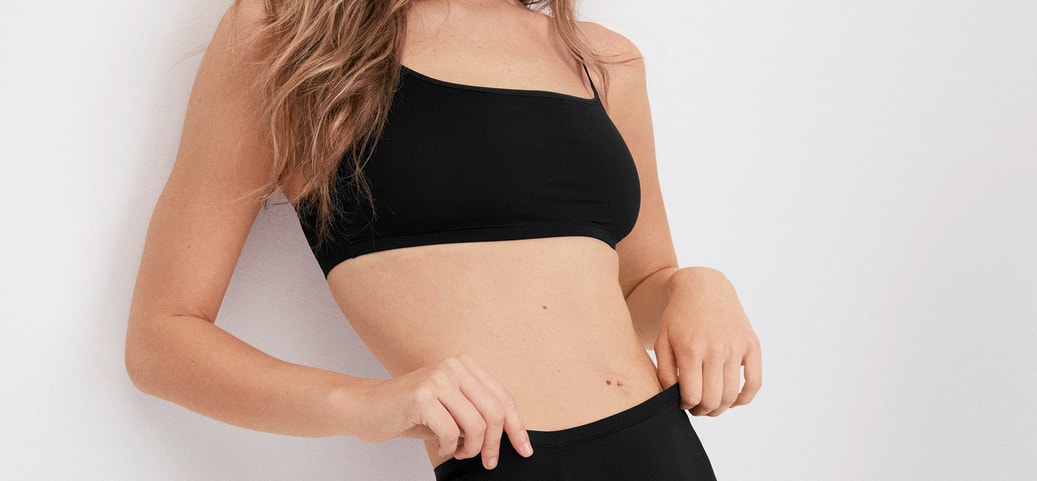
The first bra supports the body through its changes and offers gentle comfort for growing needs.
Table of Contents
How do you know when it is time for your first bra?
• A feeling of tension or sensitivity
• Movement feels uncomfortable
• You feel more comfortable with support
Which types of bras are suitable for a first bra?
• Soft bra or bralette: A straightforward option for getting started
• Sports bras for active girls
• Types of bras you can try at the beginning
Finding the right size for your first bra in 3 steps
• Fit check: How your bra should fit
Choosing the right material: Important for a comfortable feel
The key points
A first bra often becomes relevant at the beginning of puberty as the breasts develop. Some girls may notice a feeling of tension or find movement during sports uncomfortable.
Soft bras or wire-free bralettes made from comfortable materials such as cotton can be a straightforward option for getting started. They offer freedom of movement and can feel comfortable in everyday life.
You can find the right size by measuring your underbust and bust circumference. Sister sizes and personal advice can also help.
How do you know when it is time for your first bra?
Puberty brings many physical changes – breast development is one of them. Many girls therefore wonder when it is time for their first bra. But, as is often the case, there is no single right or wrong answer.
While some girls may not want to wear a bra at all, others may want their first bra as their breasts develop – often between the ages of 9 and 13. A bra can help underwear feel more comfortable underneath clothing or make the shape of the breasts less visible. The following signs may indicate that a first bra could be an option for you.
Visible breast development
As your breasts begin to develop, you may first notice changes around the nipples or small curves becoming visible underneath your T-shirts. Some girls may feel uncomfortable with these changes – particularly when the breasts are visible underneath tight or light-coloured tops. If this applies to you, a bra can be one option for feeling more comfortable in your clothes.
A feeling of tension or sensitivity
During puberty, your breasts may feel sensitive or tense. Physical changes can be experienced differently from person to person. Only you can decide whether the time is right for a bra. Simply try one and see whether wearing a bra feels comfortable or whether you prefer not to have an additional layer of clothing.
Movement feels uncomfortable
During PE lessons, running or an active hobby, you may find that your breasts feel uncomfortable when moving. A sports bra can provide additional support and may help you feel more comfortable while exercising.
You feel more comfortable with support
If wearing a bra feels good not only during sports but also in everyday life, this may be a sign that you would like to wear one. A bra can give you a feeling of support and comfort.
Which types of bras are suitable for a first bra?
When choosing your first bra, it is important that it feels comfortable and gives you a good feeling. Here are some bra options for teenage girls.
Soft bra or bralette: A straightforward option for getting started
A soft bra or bralette can be a comfortable option for your first bra. Possible benefits include:
No underwire that could feel tight or uncomfortable
Soft materials can provide a comfortable feel
Stretchy materials can adapt to different body shapes
Suitable for everyday wear and school
At CALIDA, you can find a selection of bralettes in different materials and cuts, allowing you to choose a style that suits your personal preferences and sense of comfort.
Sports bras for active girls
If you do a lot of sports or enjoy being active, sports bras can also be a suitable option. These bras provide additional support and can help reduce breast movement during physical activity. Different styles are available for different types of sports and personal preferences.
Types of bras you can try at the beginning
When getting used to wearing a bra, your personal comfort should be the main consideration. Underwired bras or push-up bras feature underwire or reinforced cups and may feel different from soft bras or bralettes. If you are just starting to wear bras, you can try different styles and find out which cut feels most comfortable for you.
Finding the right size for your first bra in 3 steps
Even while your breasts are still developing, finding a suitable size can be helpful. Here is a simple step-by-step guide to measuring:
Measure your underbust: Take a measuring tape and place it horizontally around your body, directly underneath your breasts. This measurement is your underbust circumference and determines the number in your bra size (e.g. 70, 75, 80).
Measure your bust: Place the measuring tape horizontally around the fullest part of your breasts – where they extend furthest. Again, the tape should not be too loose, but it should not dig into your body either.
Calculate your size: The difference between your bust and underbust measurements determines your cup size (A, B, C, etc.). The following rule of thumb can help:
Difference | Cup size |
10–11 cm | AA |
12–13 cm | A |
14–15 cm | B |
16–17 cm | C |
18–19 cm | D |
20–21 cm | E |
Since sizes vary between brands, it’s helpful to try sister sizes — one band size up and one cup size down, or vice versa.
Fit check: How your bra should fit
When trying on your first bra, your main priority should be feeling comfortable. There are also some signs that can help you determine whether your bra fits well:
The straps should not slip off your shoulders, but they should not dig in uncomfortably either.
The underband should sit as horizontally as possible around your body.
The cups should enclose your breasts without pressing uncomfortably or standing away from the body.
You should be able to move freely without the bra noticeably shifting.
If you are unsure, you can also ask for advice when shopping from specialist staff in a store, online or someone you trust, such as your mother or a friend.
Choosing the right material: Important for a comfortable feel
The material plays an important role in how your first bra feels. Keep the following points in mind:
Comfortable materials: Cotton or TENCEL™ can provide a soft and comfortable feel, depending on how they are made.
Breathable properties: Materials with breathable properties can contribute to a comfortable feel during everyday activities and movement.
Soft construction: Make sure your bra does not have seams or labels that feel scratchy or uncomfortable. Seamless styles can feel particularly smooth.
Stretch: A bra made with stretchy materials can adapt to your body shape. How much a material stretches and retains its shape depends on its specific composition and care.
CALIDA offers bras and bralettes in a variety of materials and cuts, allowing you to choose a style that matches your personal preferences.
Conclusion
Your first bra is a special step during puberty, and you alone decide when the right time is for you. When choosing one, look for comfortable materials and a cut that feels good to wear. Soft bras or wire-free bralettes can be a straightforward option when you are getting started.
You can find the right size by measuring your bust and underbust circumference. The important thing is that your bra feels comfortable, does not noticeably shift or dig in, and provides the level of support you are looking for – whether at school, during sports or in everyday life. At CALIDA, you can discover a range of bras and bralettes to suit your personal preferences.