Cold feet at night? Causes and what you can do about them
You’re lying in bed, feeling tired, but your feet feel like two blocks of ice? Cold feet at night are especially common during the winter months. They can seriously disrupt your sleep – particularly if your feet take a long time to warm up or also feel numb or tingly. Find out why circulation in your feet tends to be poorer at night and discover a few simple tips to help you bring your feet back to a comfortable temperature.
by CALIDA
December 3, 2025•3 min reading time
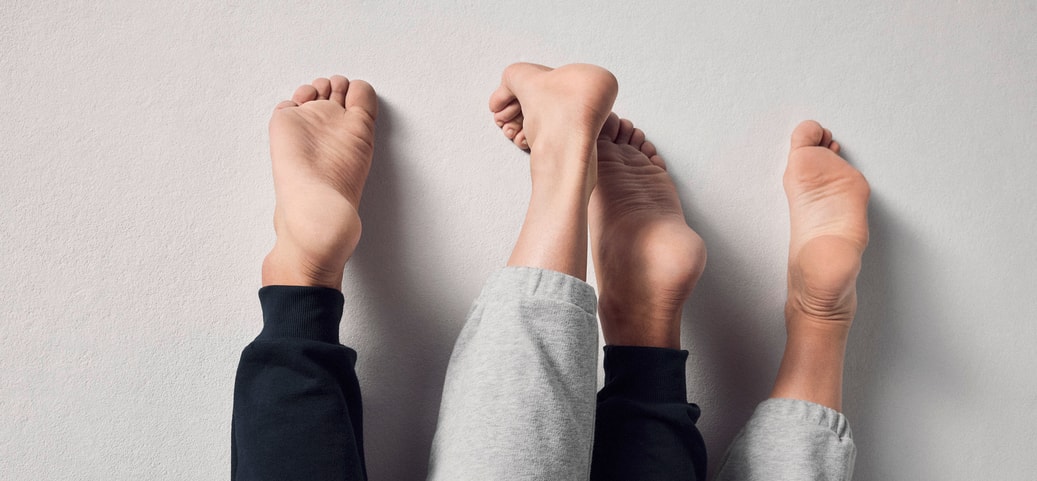
Two pairs of bare feet in sweatpants lie side by side on a light surface, slightly staggered and overlapping.
Table of Contents
The 5 most common reasons for cold feet in bed
• Poorly circulated hands & feet in the evening
• Low room or outdoor temperature
• Medical conditions: infections, low blood pressure & more
• Psychological & hormonal triggers
Immediate help: how to keep your feet warm at night
The key points
Cold feet are usually caused by reduced blood circulation, which can result from cold temperatures, stress, tight clothing or hormonal fluctuations.
Movement, warm socks, cosy nightwear and a healthy lifestyle help to improve circulation and make it easier to fall asleep with warm feet instead of cold feet at night.
Anyone who regularly experiences numbness or tingling in their feet should consult a doctor to rule out possible circulatory or thyroid problems.
The 5 most common reasons for cold feet in bed
The reasons for ice-cold feet in the evening and at night are varied. Here are the most common causes:
Poorly circulated hands & feet in the evening
When your body starts to relax in the evening, your body temperature naturally drops slightly. During this temperature regulation, blood circulation in the extremities is reduced while the core remains warm, allowing the body to conserve energy.
This process is usually harmless. However, chronically low blood pressure, circulatory problems, or iron deficiency can limit blood flow to the feet. If your feet are not only cold but also pale or numb, it’s worth consulting a doctor.
Low room or outdoor temperature
The most obvious reason for cold feet: a low surrounding temperature. Especially in older, poorly insulated homes, the bedroom can cool down quickly in winter. While fresh, cool air can be good for sleep, a room temperature below 16°C can cause your feet to become excessively cold.
Tight shoes during the day
Tight shoes or socks, or high heels, restrict blood circulation during the day, which is particularly noticeable for people who wear shoes all day. Make sure your feet get enough movement, comfortable footwear, and occasional “breathing space” during the day.
Medical conditions: infections, low blood pressure & more
If you frequently experience cold feet at night, it could also be due to hypothyroidism or an autonomic nervous system disorder. Acute infections accompanied by fever and fatigue can also temporarily affect temperature regulation in your extremities.
Psychological & hormonal triggers
Anxiety or tension constrict blood vessels, a natural reaction to stress or panic. The problem: if you cannot fully relax in the evening, blood flow to your hands and feet remains limited. Evening relaxation is therefore crucial.
In addition, hormonal changes can increase sensitivity to cold, particularly in women during menstruation or menopause.
Immediate help: how to keep your feet warm at night
Cold feet make it difficult to relax and fall asleep. Here are three quick tips if your feet feel like blocks of ice in the evening or at night:
Warm socks in bed: Natural materials like merino wool or cotton regulate moisture and provide warmth.
Hot water bottles, grain-filled cushions, heated blankets & foot baths: These dilate blood vessels and promote relaxation. Ensure the temperature is moderate.
Circling movements, foot massages, or gently rubbing the soles of your feet help stimulate warmth.
Tip: In addition to warm socks, make sure your bed and nightwear are appropriate for the season. For example, CALIDA’s warming pyjamas, made from cosy, temperature-regulating natural materials, will keep you comfortable even during the coldest winter nights.
Preventing cold feet: how to improve your circulation
If you want to improve your circulation long-term so that you don’t experience cold feet at night, incorporate regular movement into your daily routine, such as walks or cardio workouts. Alternating hot and cold showers can also stimulate vascular activity and help improve blood circulation over time.
In addition to these stimulating activities, make sure to include relaxation, especially shortly before bedtime. Breathing exercises and meditation help relax the blood vessels, while a pre-warmed bed and a hot cup of tea help bring your body to a comfortable temperature and make you feel cosy.
Conclusion
Cold feet at night can be annoying, but they are usually harmless. In most cases, reduced blood circulation due to cold or stress is the cause. With a bit of movement, a warming grain cushion, woollen socks, and a relaxing evening routine, you should be able to get the chill under control quickly. However, if you still experience numb, pale, or tingling feet at night, it is best to have potential causes such as nerve damage, circulatory issues, or thyroid problems checked by a doctor.
Discover more interesting blog posts: