Banana before sleep: smart evening snack or too much sugar?
When evening hunger strikes, many people try to avoid stimulating sugars and carbohydrates — which makes a banana seem like a less suitable choice because of its natural sweetness. But is that really the case? Here’s what a banana contains and why it can actually be a surprisingly good snack before bedtime.
by CALIDA
July 22, 2026•4 min reading time
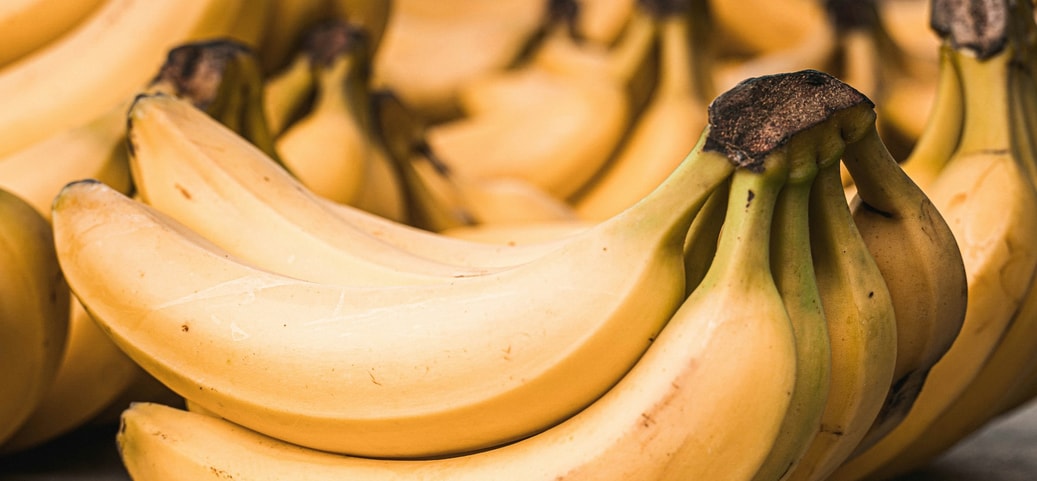
A banana before bed calms the body, supports recovery and promotes restful sleep.
Table of Contents
What’s inside a banana? The key nutrients at a glance
• Magnesium and potassium for muscle and nerve function
• Tryptophan for wellbeing, relaxation and sleepiness
• Carbohydrates: satisfying without feeling heavy
The banana as an evening snack: ideal for most people
Healthy alternatives to bananas: 3 sweet evening snacks
Key points
A banana in the evening is, for most people, an easily digestible and satisfying snack that doesn’t place unnecessary strain on the body.
The nutrients magnesium and potassium support muscle relaxation, while the tryptophan it contains acts as a precursor to the sleep hormone melatonin.
The banana’s natural sugar content is moderate and helps maintain a comparatively stable blood sugar level — ideal as a light snack before bed.
What’s inside a banana? The key nutrients at a glance
If you want to understand why bananas are not only great energy providers but also make sense in the evening, it’s worth taking a closer look at their nutrients. This popular fruit contains several components that are particularly relevant for evening nutrition.
Magnesium and potassium for muscle and nerve function
Magnesium and potassium are the banana’s most important nutrients, offering a range of benefits for both body and mind. While magnesium supports normal muscle function and helps calm the nervous system, potassium regulates the body’s electrolyte balance.
These minerals are especially valuable in the evening — particularly for anyone who often experiences tension or restless legs before bedtime. Magnesium, in particular, contributes directly to muscle relaxation, a frequently underestimated factor for restful nights.
Tryptophan for wellbeing, relaxation and sleepiness
Tryptophan is an essential amino acid that the body cannot produce on its own — it must be obtained through foods such as dairy products, nuts or bananas. It is the precursor of the “happiness hormone” serotonin, which the pineal gland later converts into melatonin, the sleep hormone. Both play a central role in the sleep–wake cycle.
Serotonin influences mood and wellbeing, while melatonin production increases in darkness, preparing the body for night‑time rest — sleepiness rises, and the pressure to sleep builds. Thanks to its tryptophan content, a banana in the evening can therefore indirectly support falling asleep.
Carbohydrates: satisfying without feeling heavy
A large part of a banana consists of natural sugars and starch, which provide energy. While this isn’t something we necessarily need at night, the sugar content of a banana does not interfere with falling asleep. With around 90 kilocalories, a banana is a relatively light snack that satisfies hunger without sitting heavily in the stomach.
The banana as an evening snack: ideal for most people
Whether a banana in the evening is healthy can be answered with a clear yes — at least for most people. What matters most is individual tolerance and its effect on blood sugar.
Compared with many popular evening snacks such as crisps, chocolate or other processed foods, a banana is easy to digest. It’s gentle on the stomach and can be eaten even shortly before bedtime without causing discomfort. This makes it a practical choice for anyone who wants a small snack at night without making it harder to fall asleep.
Blood sugar remains relatively stable thanks to the combination of natural sugars and fibre. Sharp spikes — typical of sweet processed snacks — don’t occur. For those who are very sugar‑sensitive or prefer to keep evening carbohydrates low, less ripe bananas are a good option. The rule is simple: the greener the peel, the higher the content of resistant starch and the lower the sugar level.
Healthy alternatives to bananas: 3 sweet evening snacks
If you often crave something sweet in the evening, your options go far beyond bananas and gummy bears. There are plenty of healthy alternatives that satisfy cravings without causing major blood sugar spikes. Here are our three favourites:
Popcorn — When prepared at home and lightly sweetened, popcorn is the perfect snack for a cosy film night: low in calories yet still delicious.
Dried fruit — Dried apricots or cranberries do contain natural sugars, but they also provide fibre, vitamins and potassium. In moderation, they make an excellent evening snack.
Dark chocolate — Chocolate isn’t automatically unhealthy. The higher the cocoa content, the more antioxidants and the less sugar it contains.
Beyond these sweet snacks, you can also choose other sleep‑supporting foods in the evening. Nuts and legumes — especially pistachios — help boost melatonin production and provide plenty of healthy fats.
Anyone who combines a light, mindful evening diet with breathable, comfortable nightwear creates the best conditions for a restful night.
When is the best time for evening snacks like bananas?
The ideal time for a late‑evening snack is about one hour before going to bed. This gives the body enough time to process the nutrients without digestion interfering with sleep. If you eat a banana as part of your dinner, you’ll still benefit from its nutrients — even if the effect on sleep is slightly less pronounced.
Also keep in mind: going to bed with a slight feeling of hunger often leads to poorer sleep. A small, nutrient‑rich snack like a banana can prevent this and help you feel satisfied without adding unnecessary calories.
Conclusion
If you want to eat a banana in the evening, you can do so without hesitation — thanks to tryptophan, magnesium and potassium, it even supports the body’s natural ability to unwind. Tryptophan acts as a precursor to the sleep hormone melatonin, while magnesium contributes to muscle relaxation.
Alongside these sleep‑promoting benefits, a banana is easy to digest, keeps blood sugar stable and satisfies hunger without feeling heavy. Combined with a light evening diet, a calm sleep environment and breathable nightwear, you create the best conditions for restful nights.
Discover more interesting blog posts: